Tag Archives: aerobics

Endurance Training & Long-distance Hikes: Tips & Tricks

The training and nutritive techniques are virtually identical — endurance athletes minimize weight, eat high-calorie, easily digestible carbohydrate gels and fluid proteins, hydrate often, and take electrolytes — but if you compare the numbers (if you can find the numbers), you’ll find that marathoners and long-distance runners outnumber endurance hikers. While an average marathoner might finish a 42.195 kilometer run in about 5 hours, an endurance hiker will often take 11 hours to complete the same distance on rough wilderness trails. Recent mothers, fathers, and young professionals often find that the travel times to worthwhile hiking trails (plus the hiking times) are prohibitive.

Now heavy drinkers experience dehydration at the very beginning of the day and should probably stay home, but for those of us who get to the trail-head early on Saturday morning, there are a few tricks to making 40+ kilometer hikes.

First, if you are diabetic or have allergies to nuts or soy, you will probably want to stay away from most of the products mentioned below. Always read the cautions and the ingredients posted on the product websites and on the product packaging. If you do decide to try these energy supplements, buy them in small quantities and try them at home before taking them with you on a hike.

Beware of allergic and other physical/emotional reactions to vitamins and sports products. If you have kidney problems, then don’t eat too much protein. And when you do eat protein, make sure you have plenty of water, since your body uses water to digest protein. If you eat protein (or take amino acid supplements) without adequate water intake, you will dehydrate and cramp.

But don’t skip the protein. When you exercise for more than 2 hours, your body starts to cannibalize it’s own muscle. That’s why you need to eat protein during long hikes. I usually mix protein powder with eLoad Heat Endurance Formula in two BPA-free Nalgene bottles. Each bottle contains 20+ grams of protein plus a scoop of eLoad. I don’t add water until I’m ready to start sipping the mixture. If you do not want to mix your own, Hammer Nutrition makes a good lightweight protein endurance product called Perpetuem.

I can’t stress it enough: don’t bring bulky food. Eat compact high-energy gels, Sharkies, Shot Blocs, energy bars, and protein powders. (I usually have an Active Greens Organic Food Bar for lunch. It contains protein, vegetables, fruit, and nut butter.) And eat often, perhaps every two hours during long-distance events. You have to keep your carbs up. Don’t diet during 40 kilometer hikes!

Carry 3 to 3 1/2 liters of water (and maybe 4 to 5 liters during a heat wave), and keep some extra water in the car for after the hike. Add electrolytes to your water. Like I said before, I use eLoad Heat Endurance Formula. It contains a variety of minerals, plus the carbohydrates you need to keep going. And if you use high-calorie gels, accompany each one with at least 150 ml of water (or about a third of a 500 ml bottle) so that it doesn’t make you feel sick.

Then within 15 minutes of completing your hike, eat about 20 grams of protein, since that timing has been shown to build muscle. Yes, you want to build muscle in your legs. I usually eat a Cliff Builders Protein Bar beside my car before I change into dry shoes.


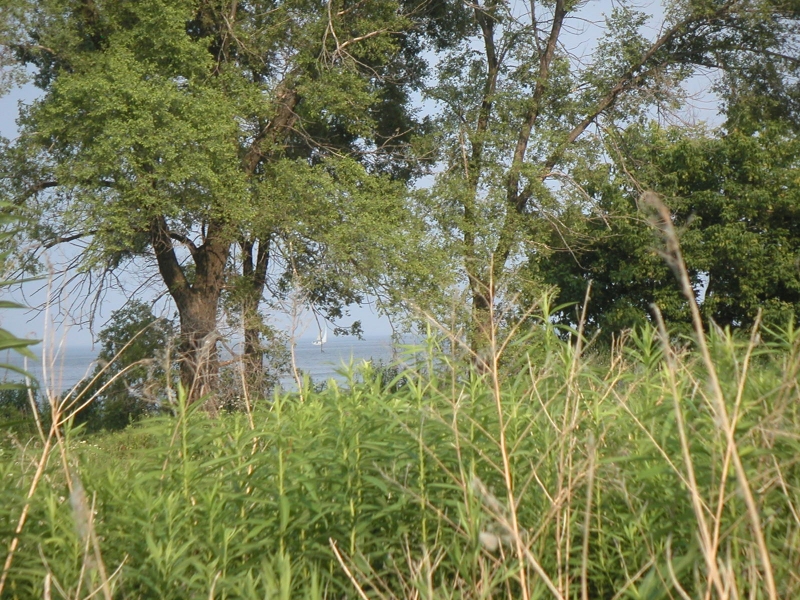
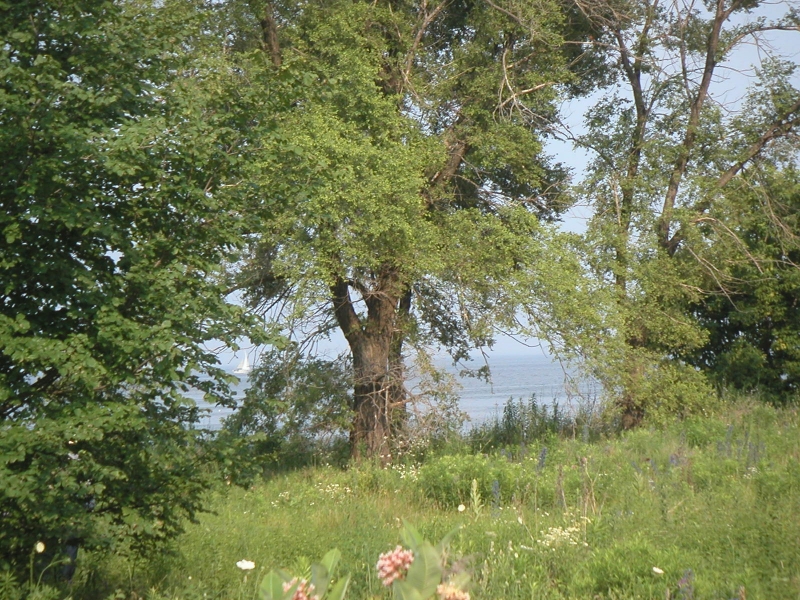
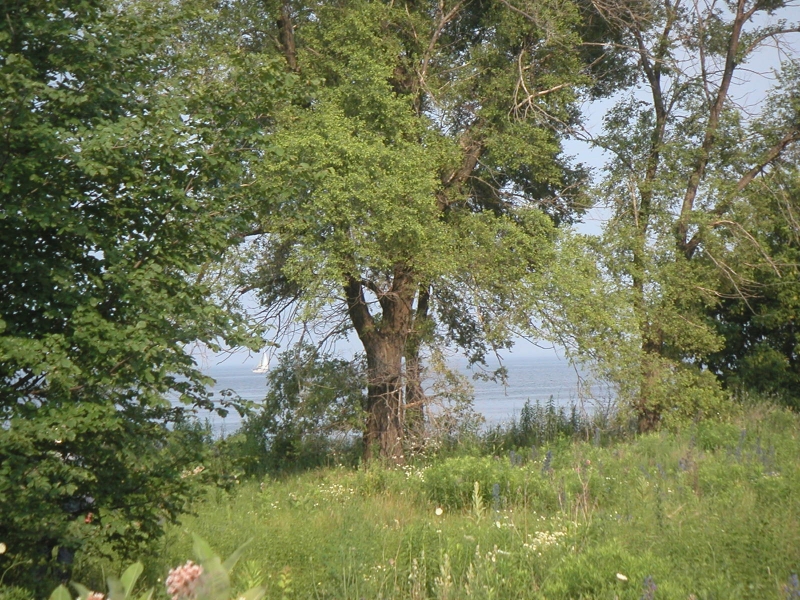
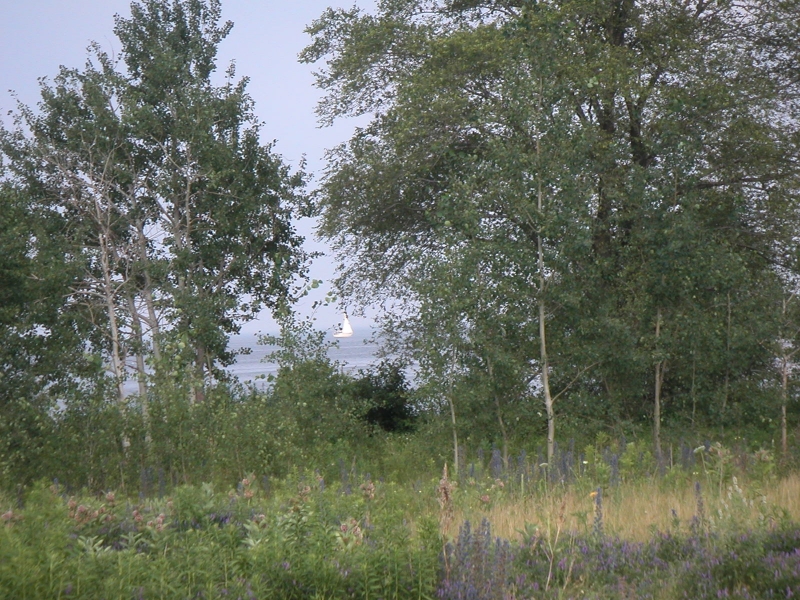
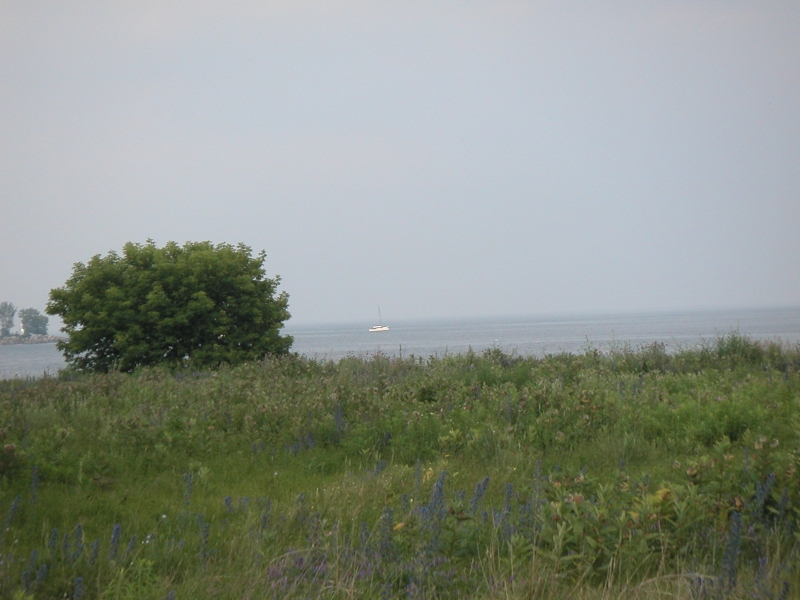
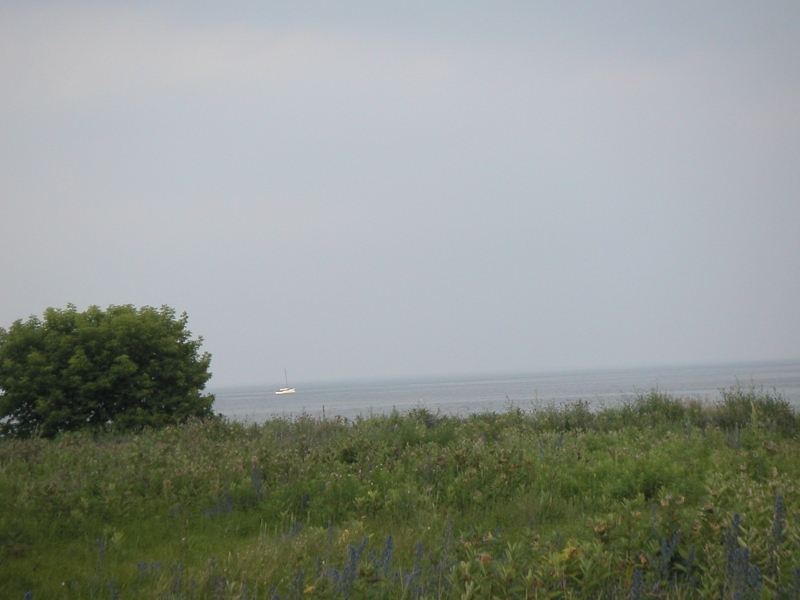
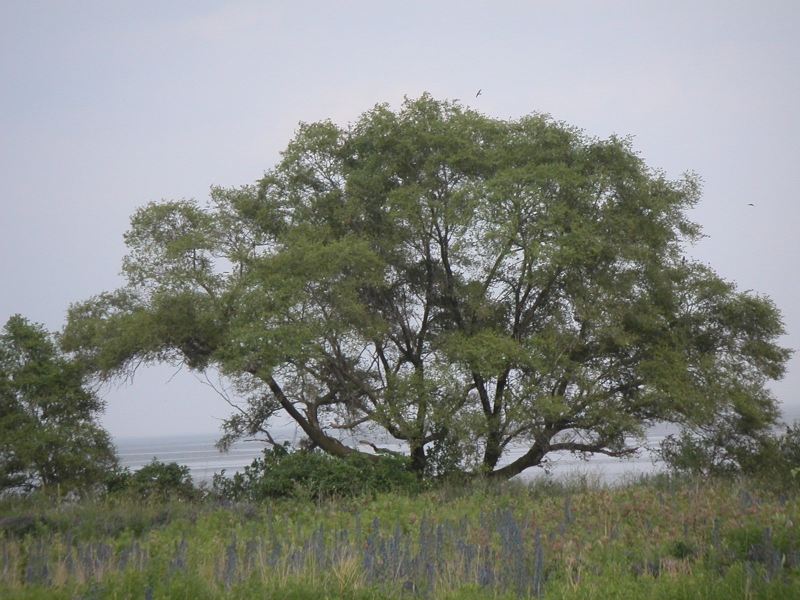
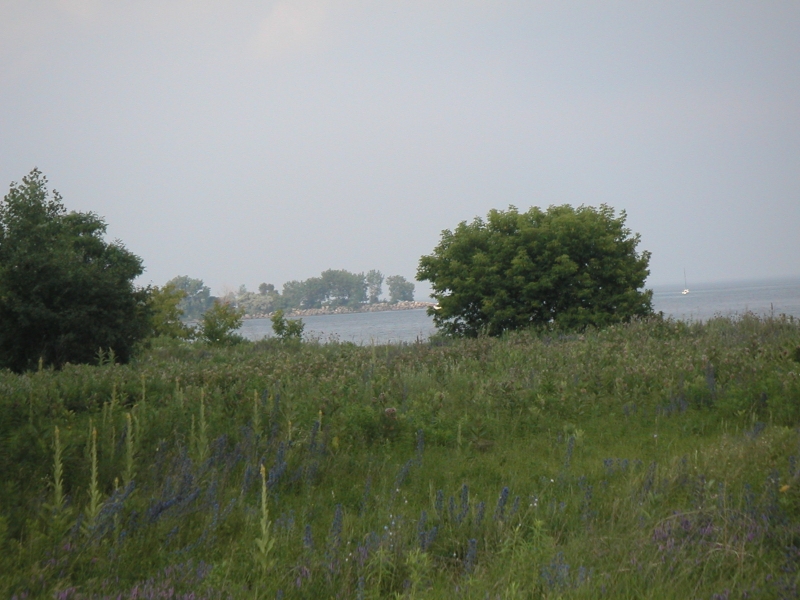
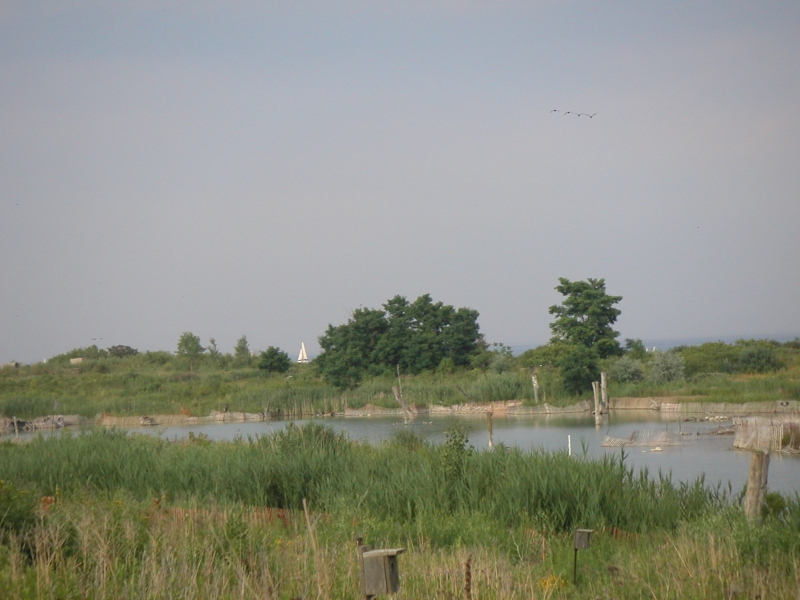
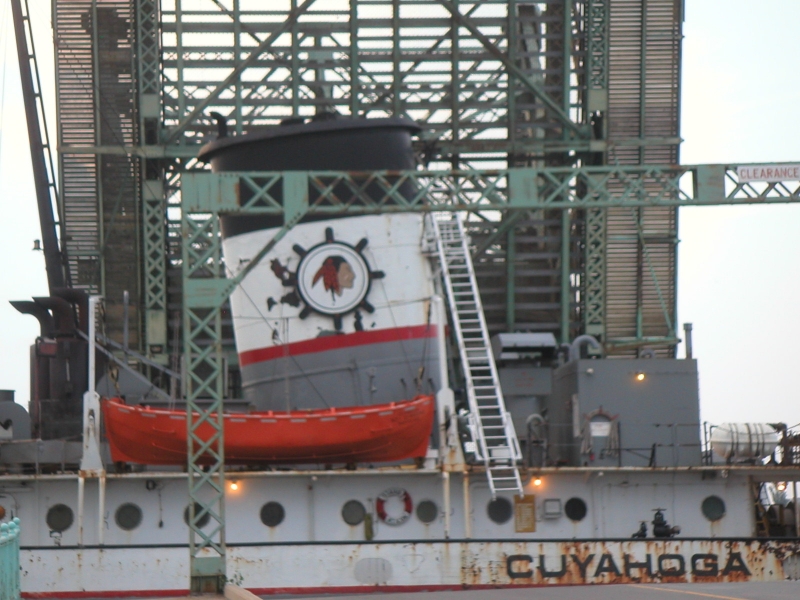
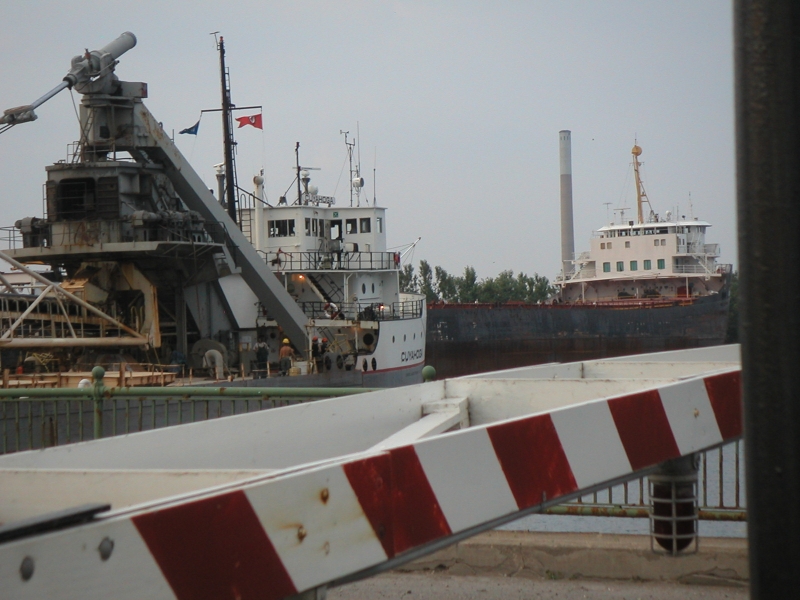
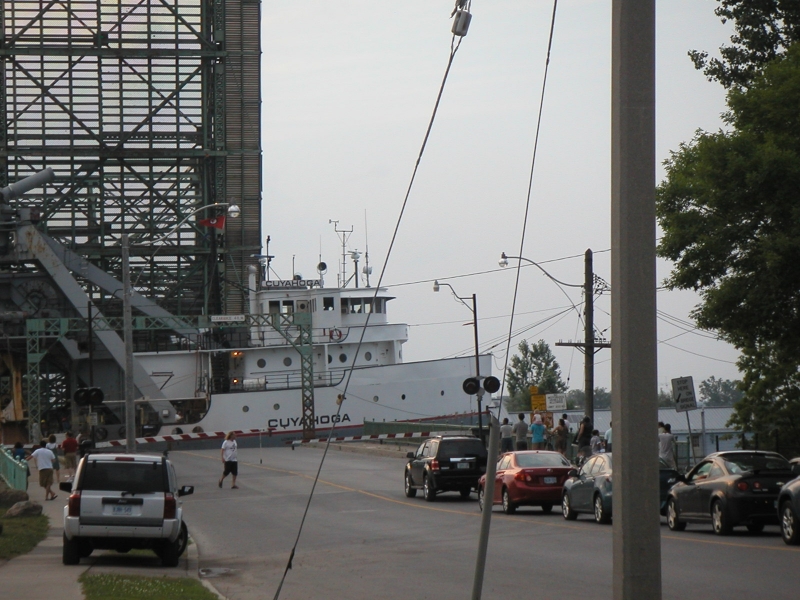
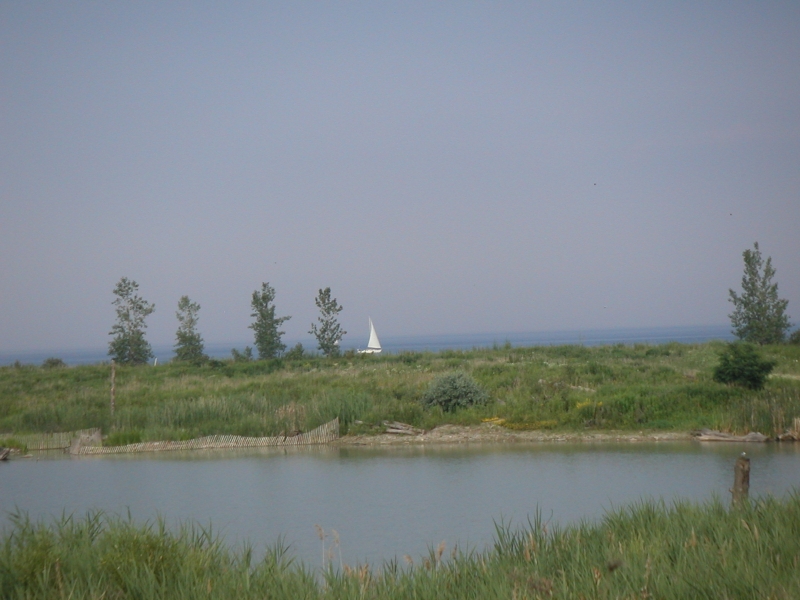
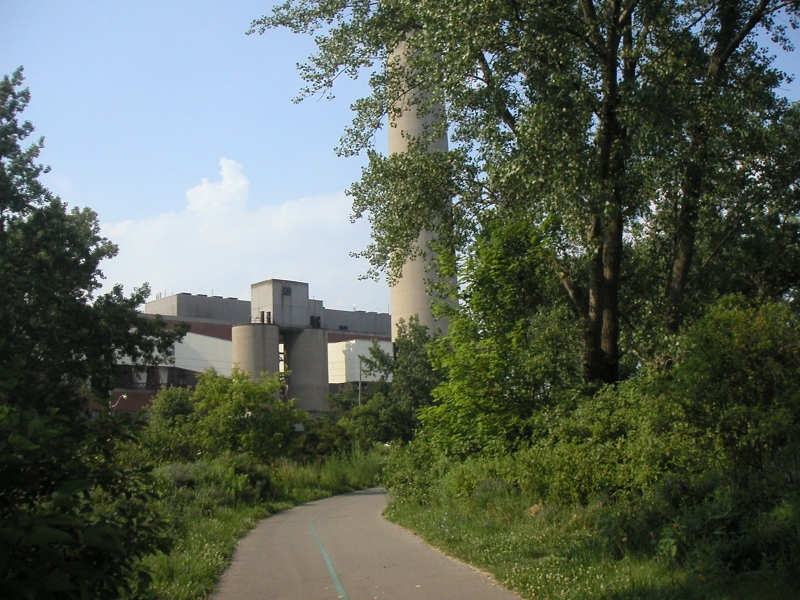
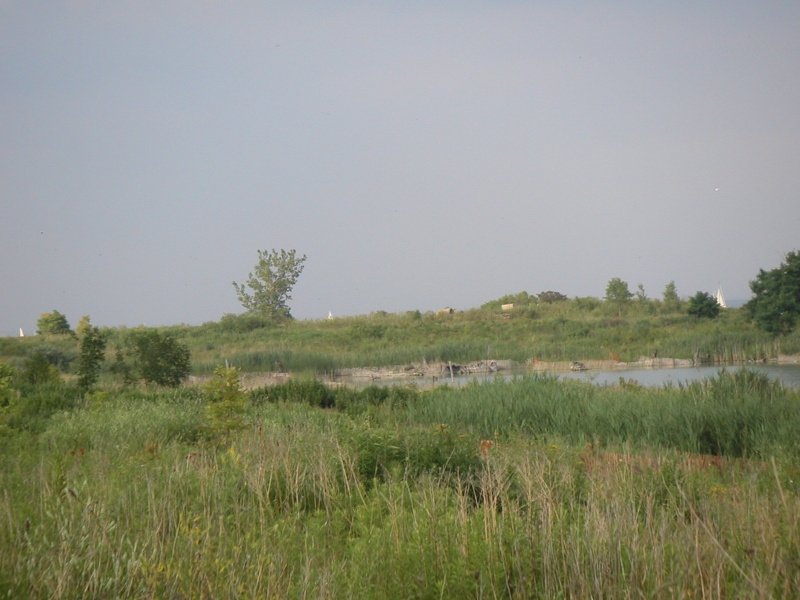
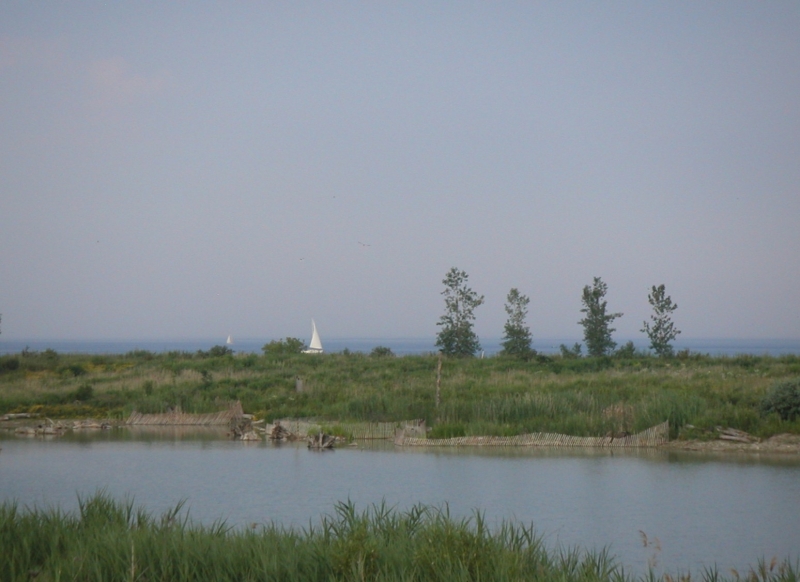
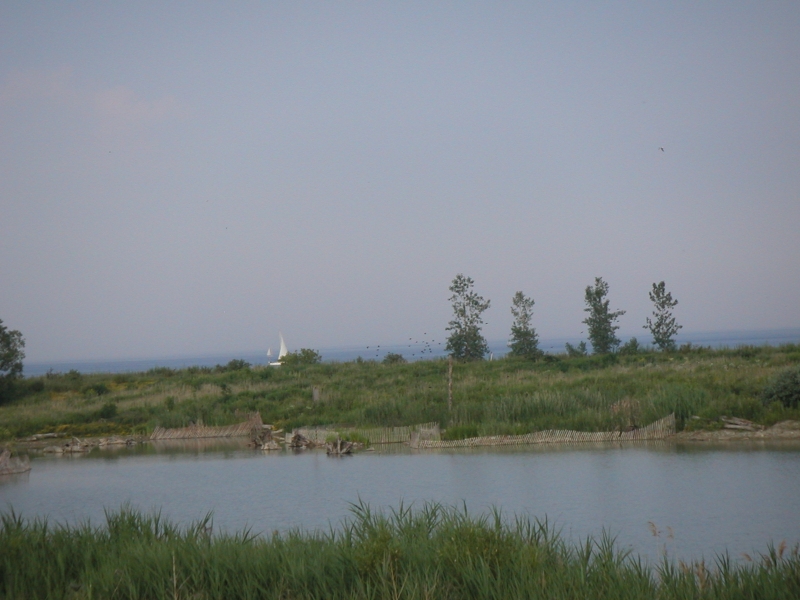
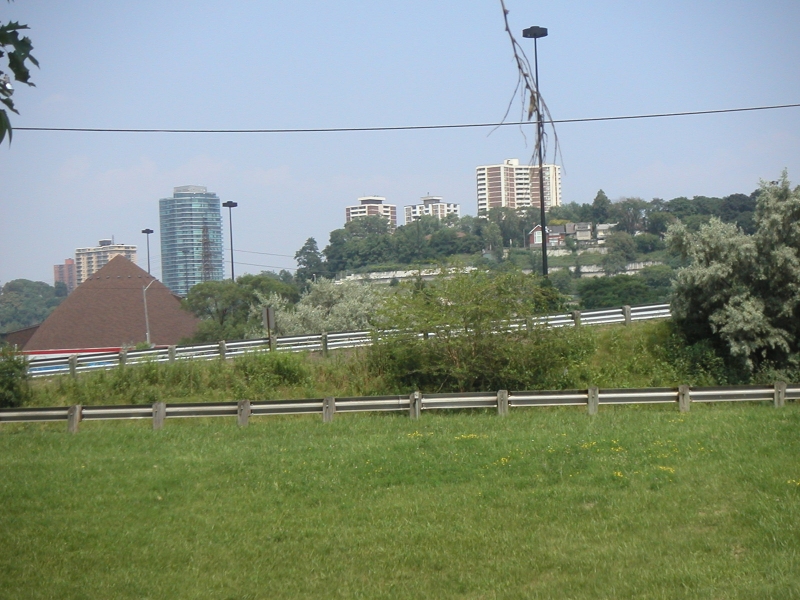
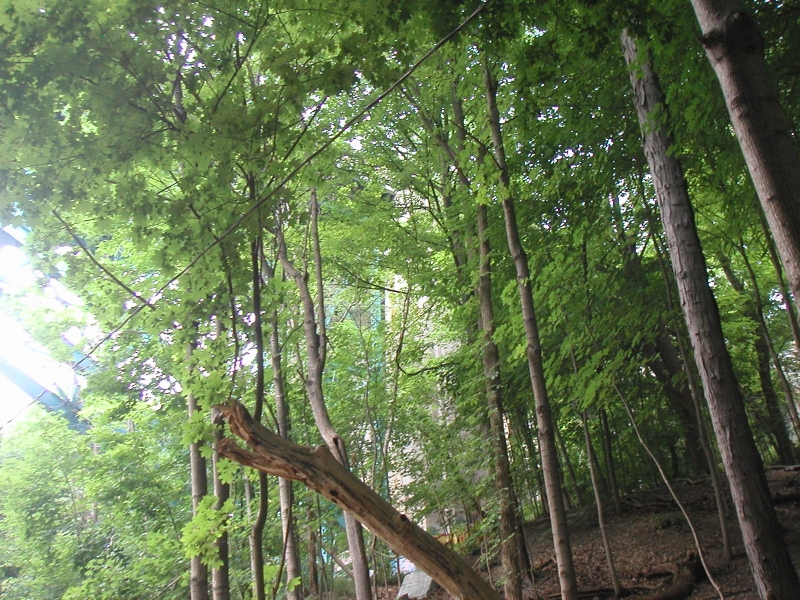
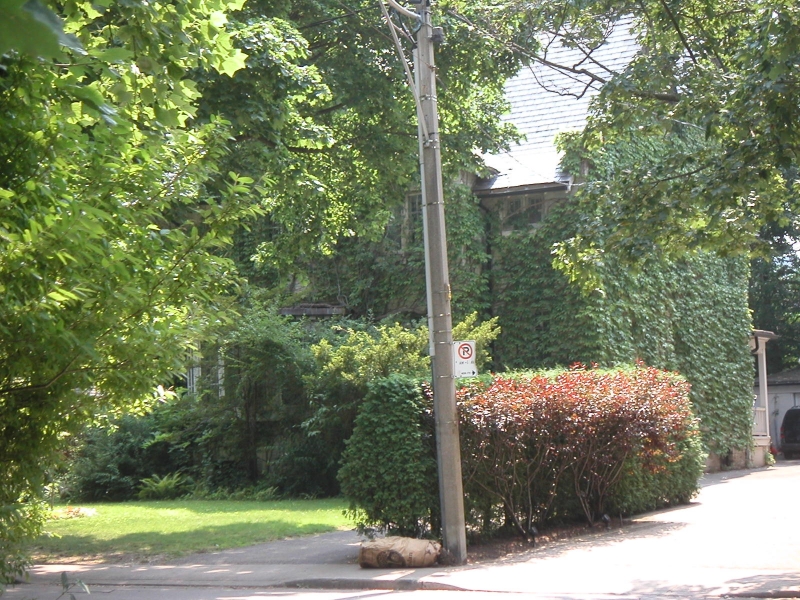
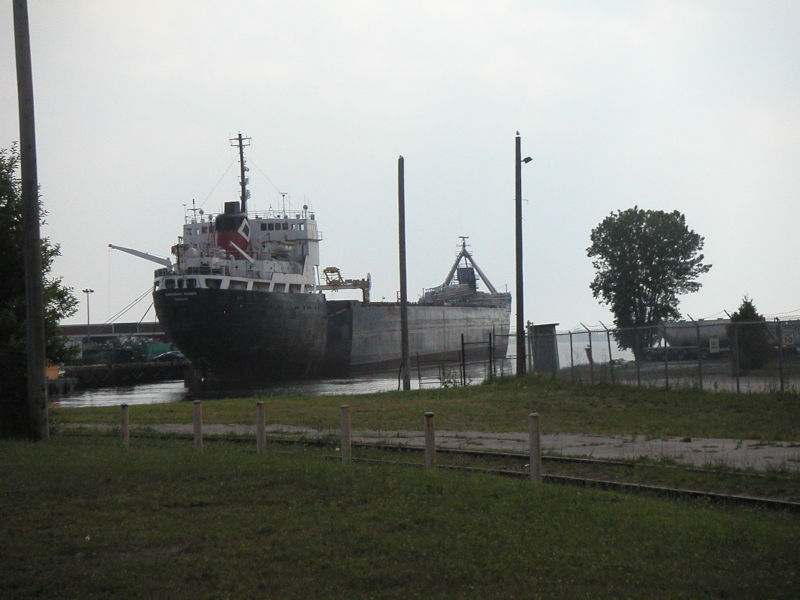
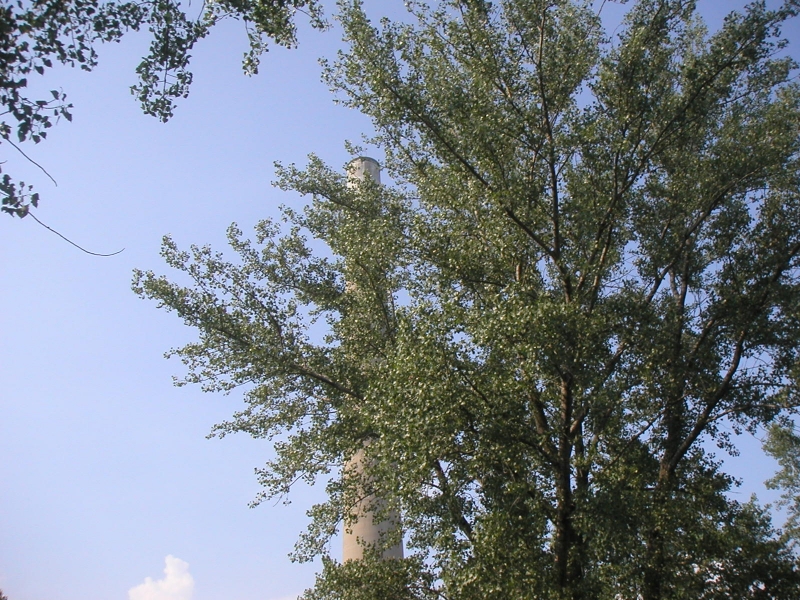
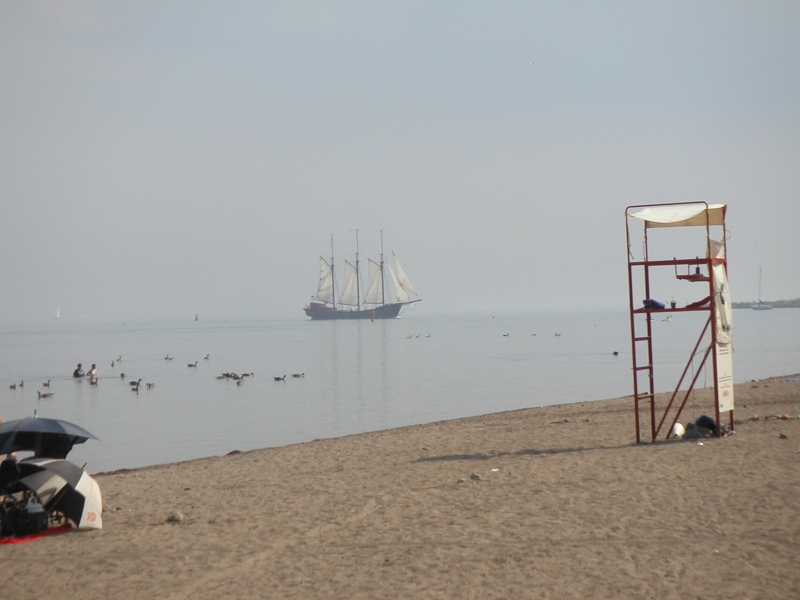
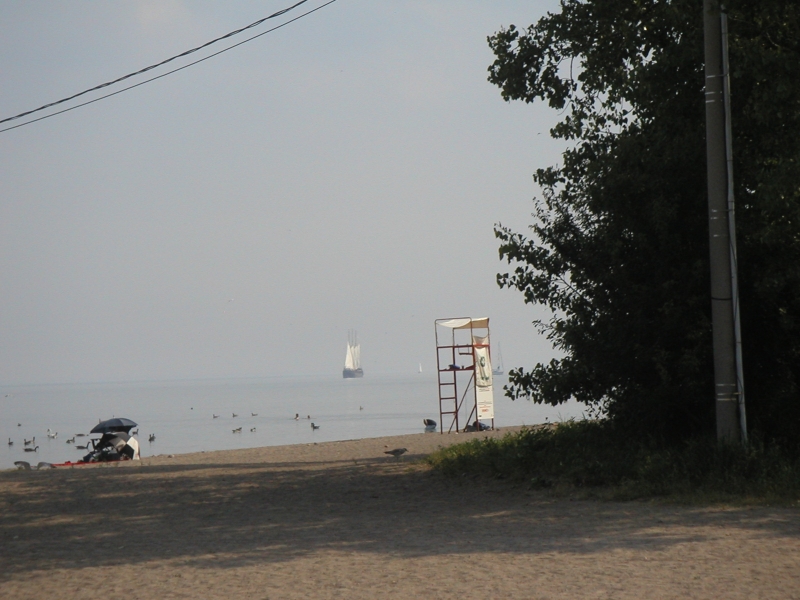
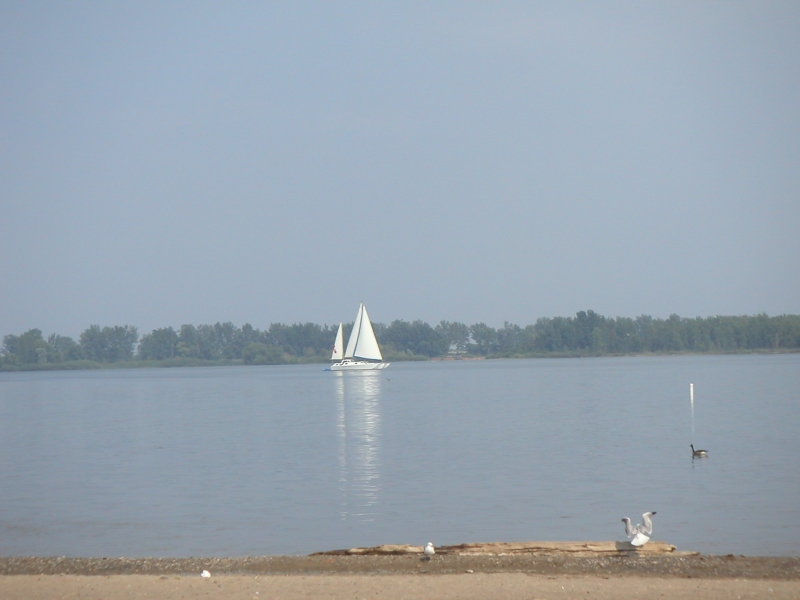
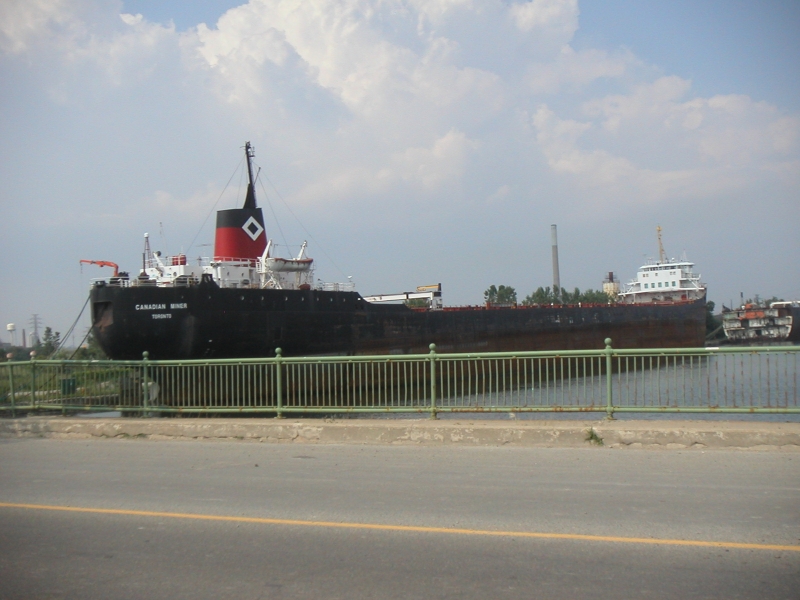
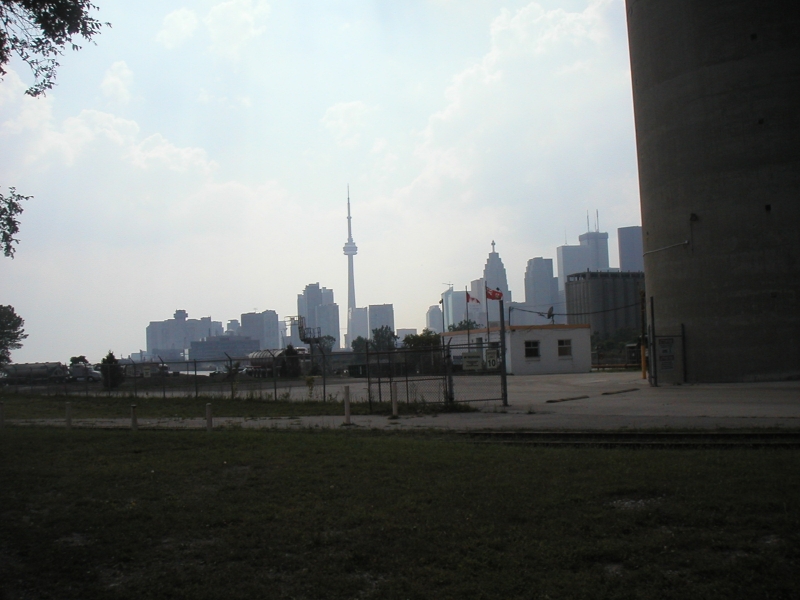
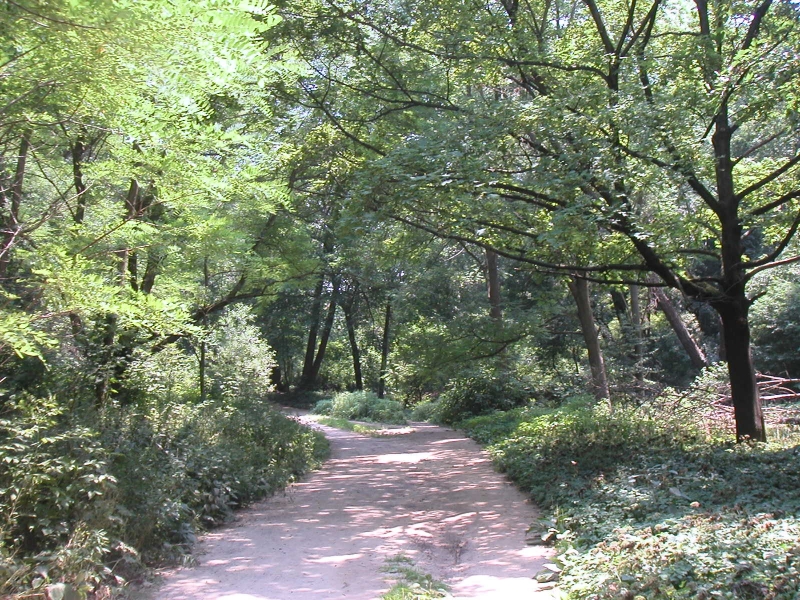
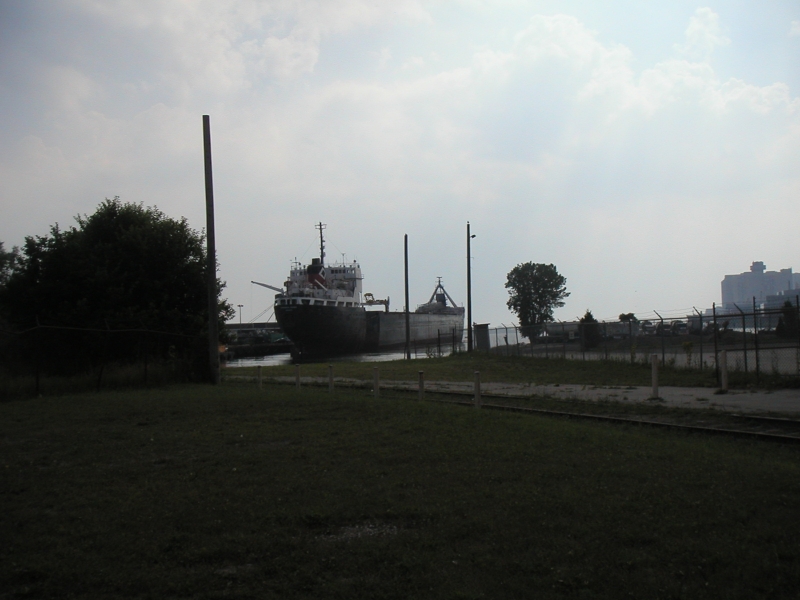
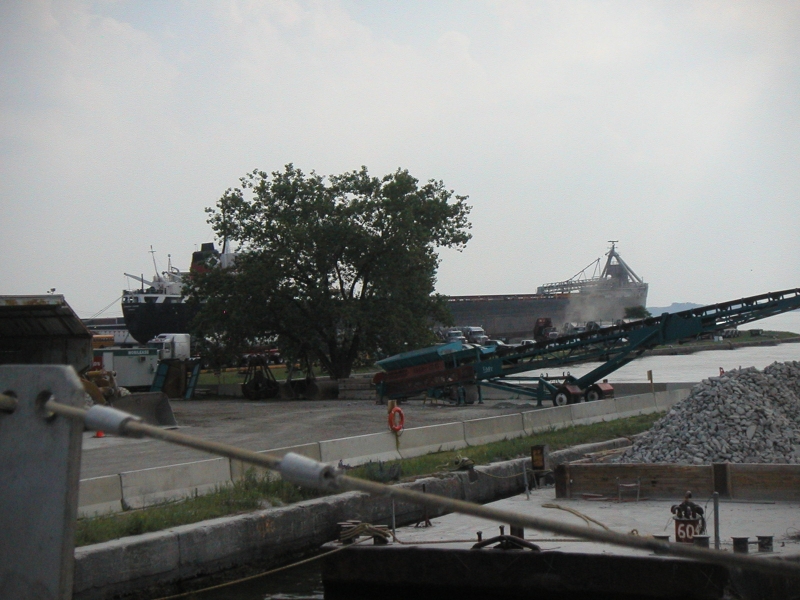
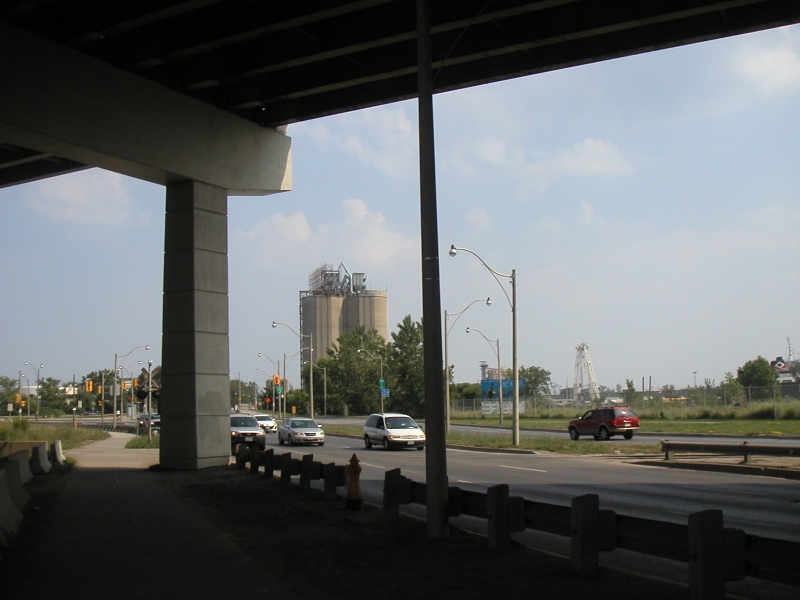
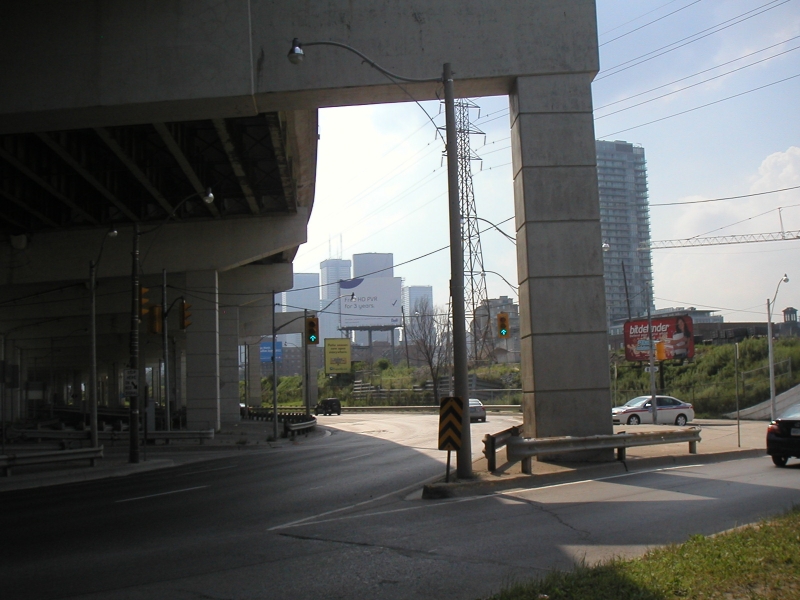
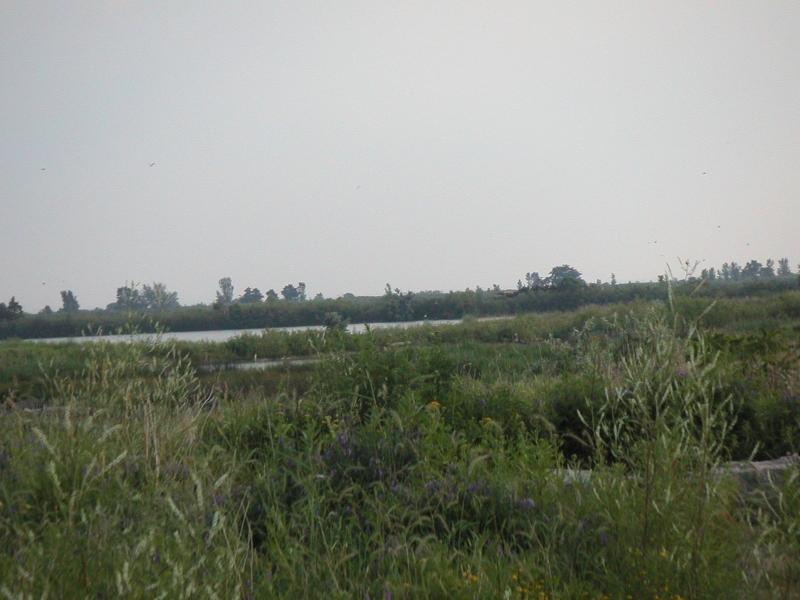
Toronto Waterfront, Leslie Spit, Cherry Beach

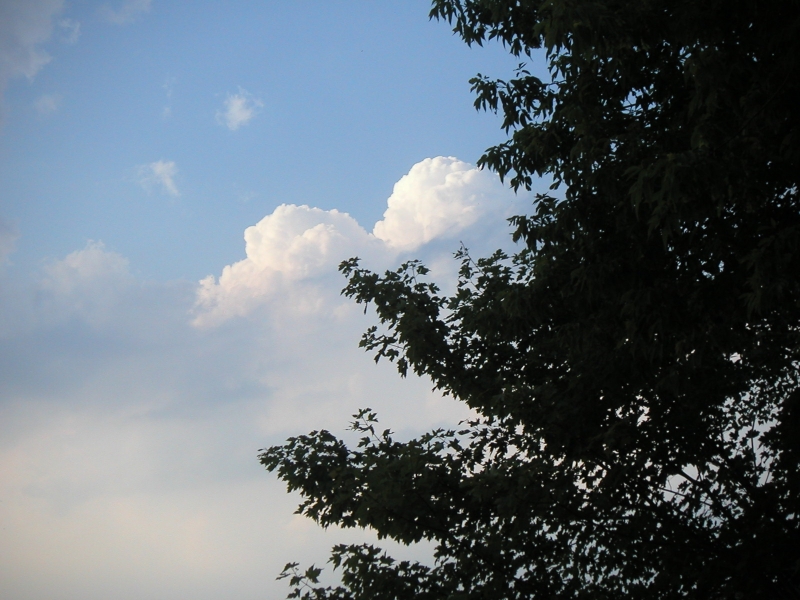
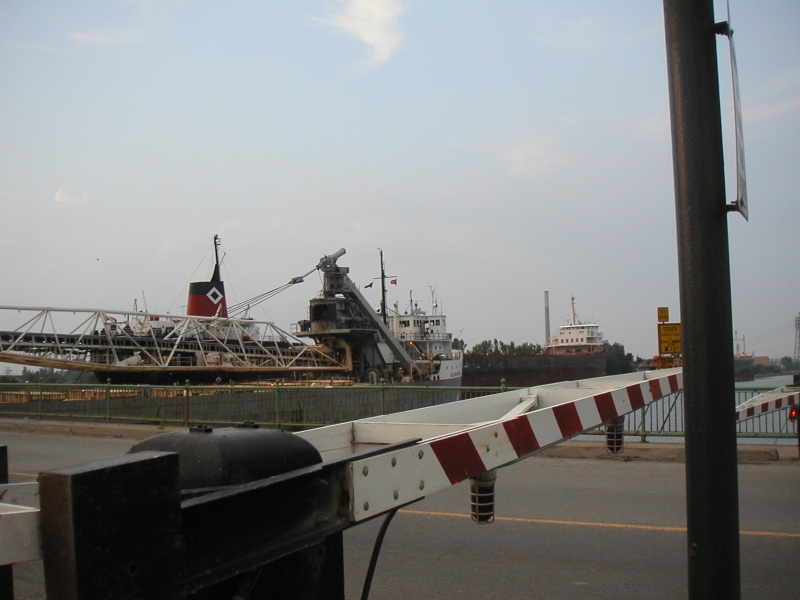
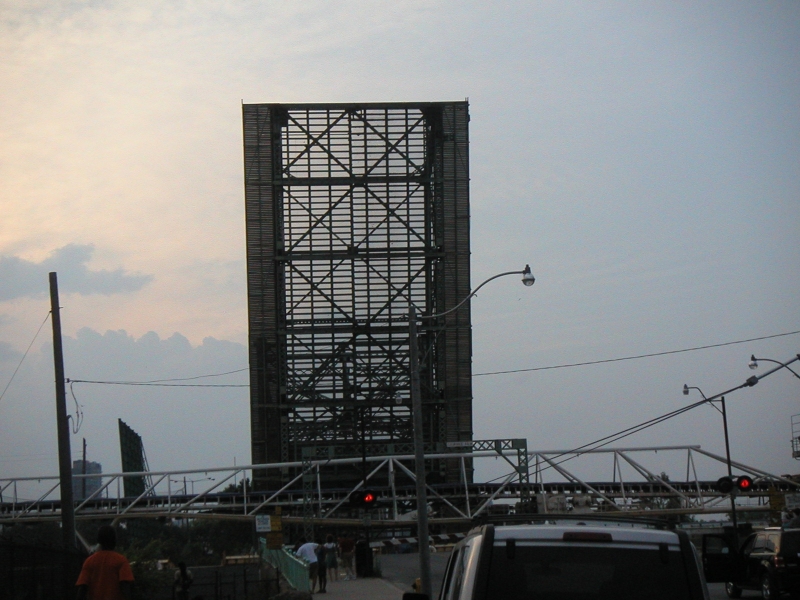
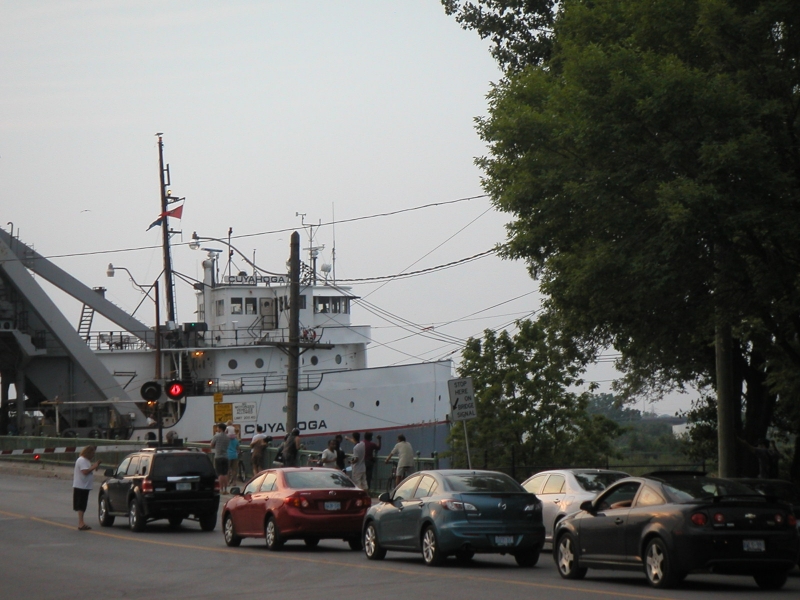
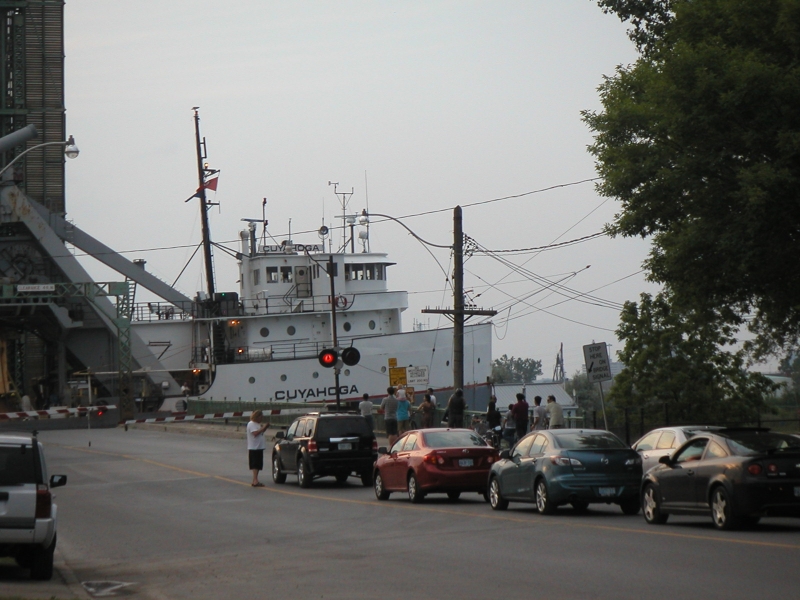
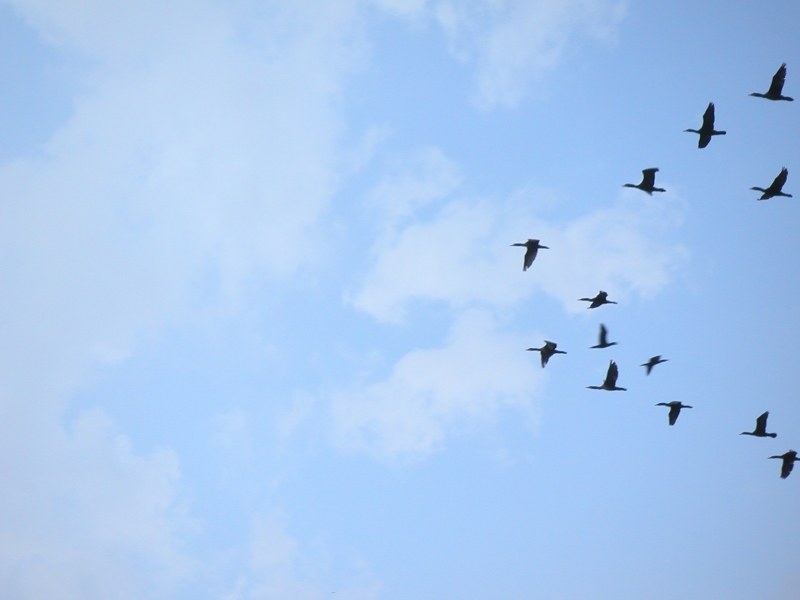
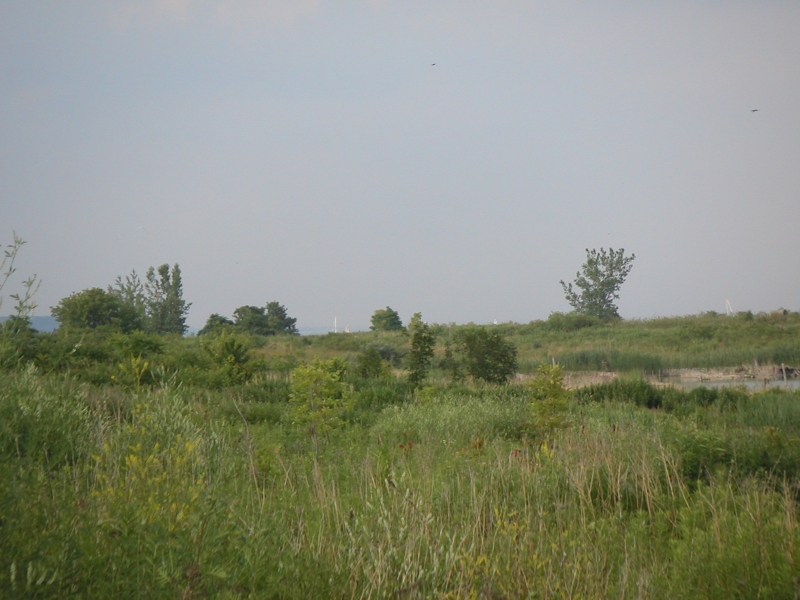
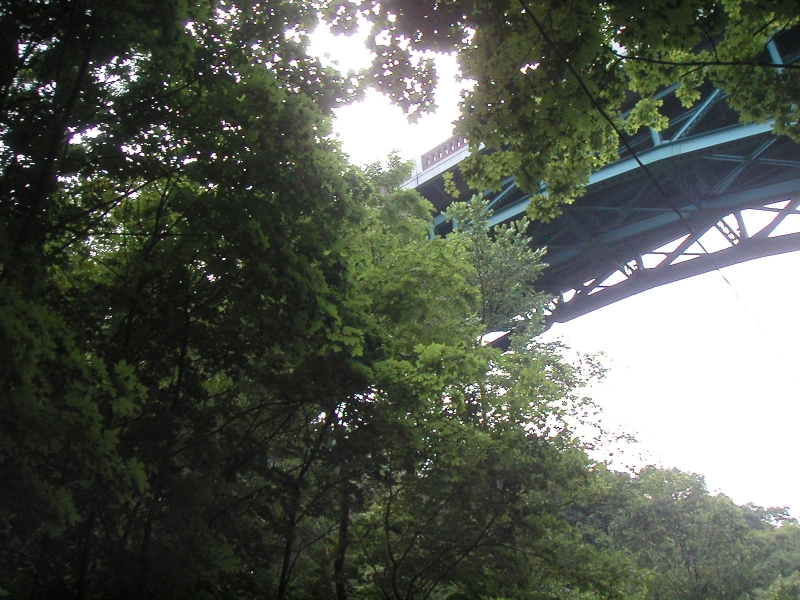
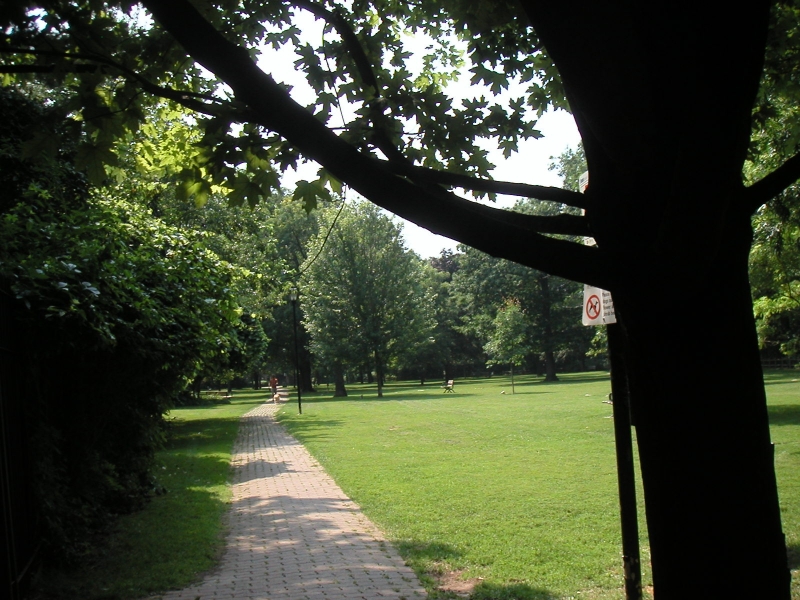
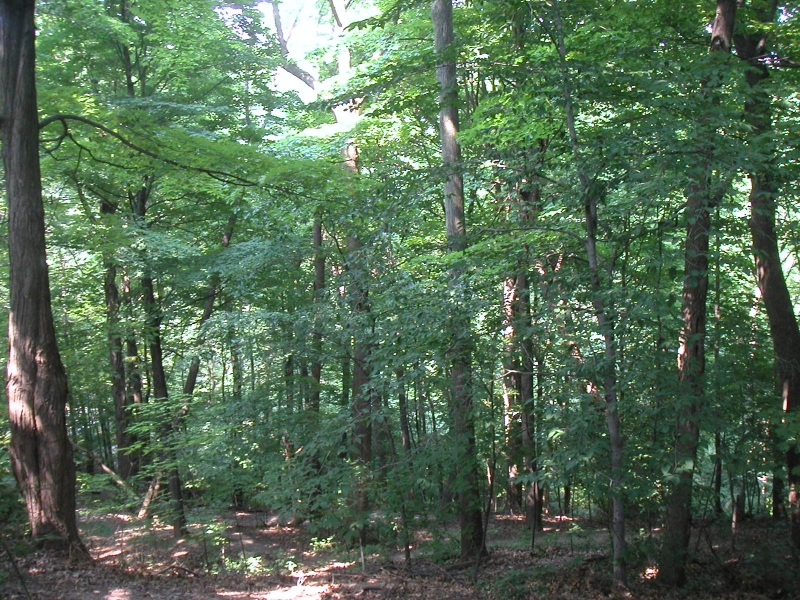
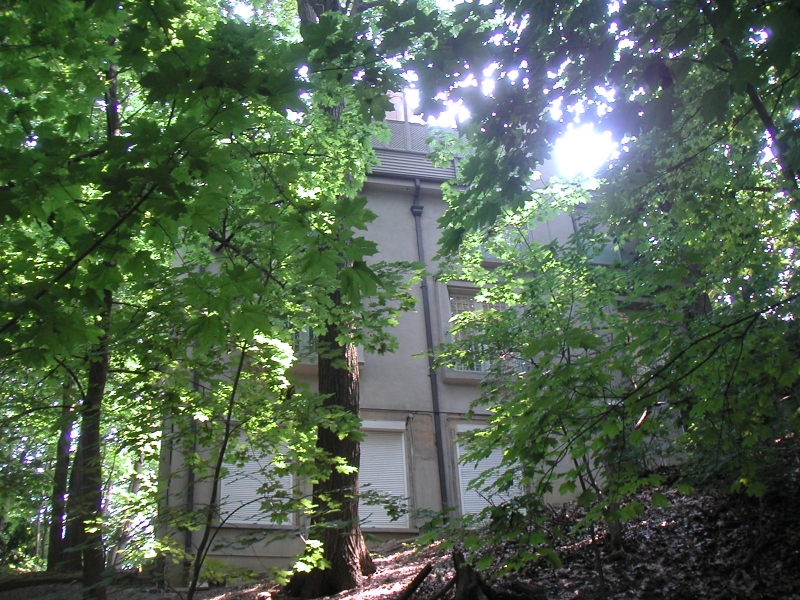
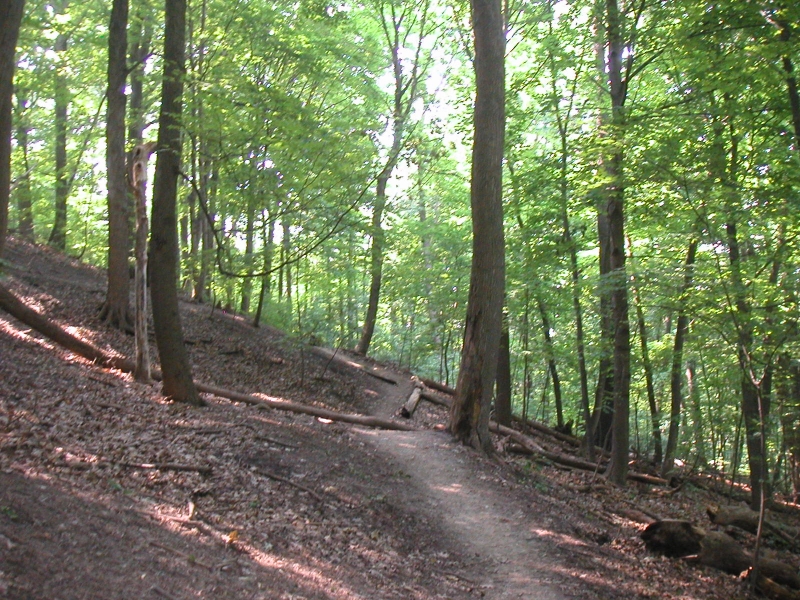
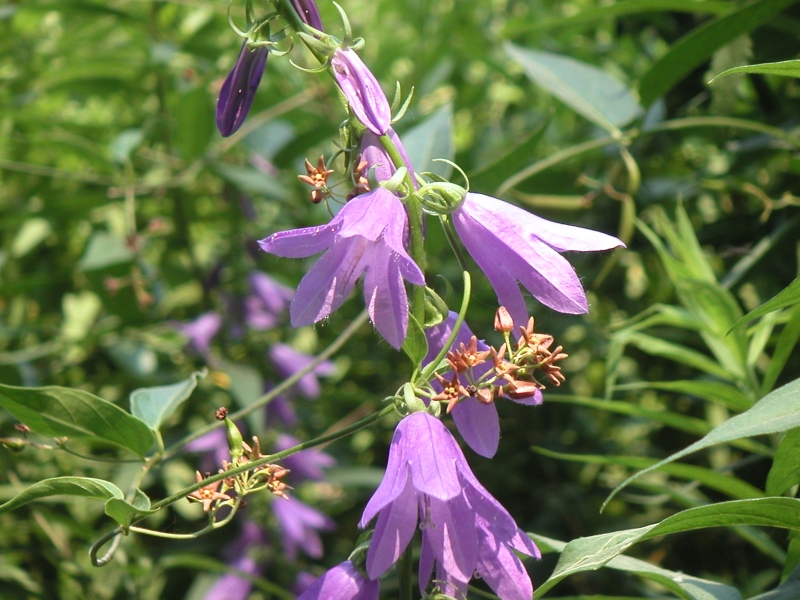
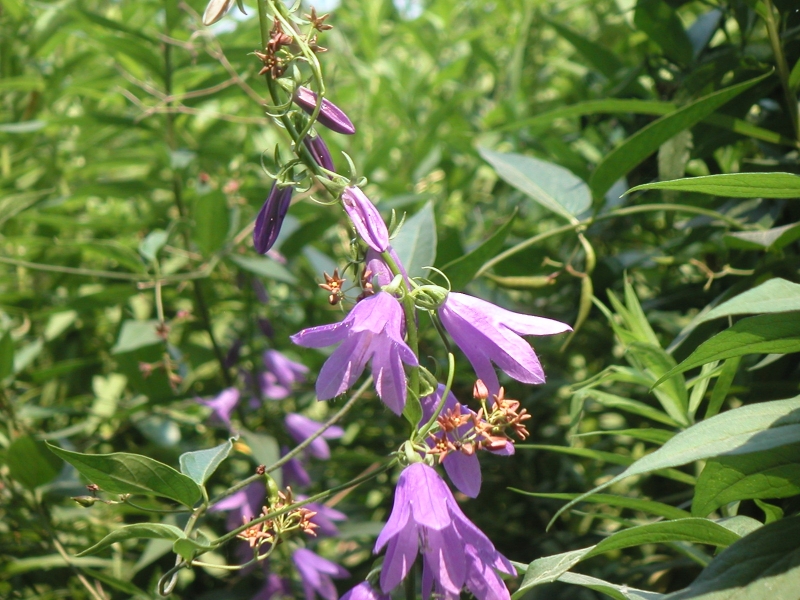
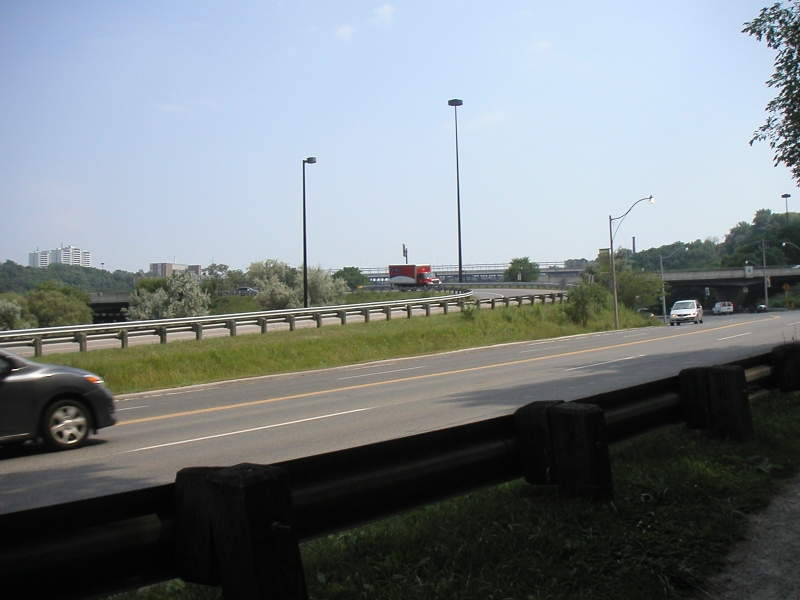
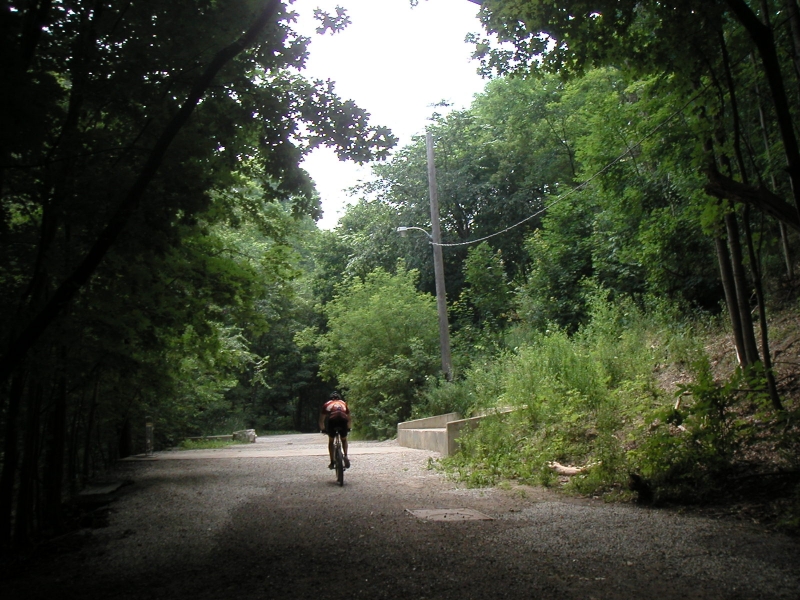
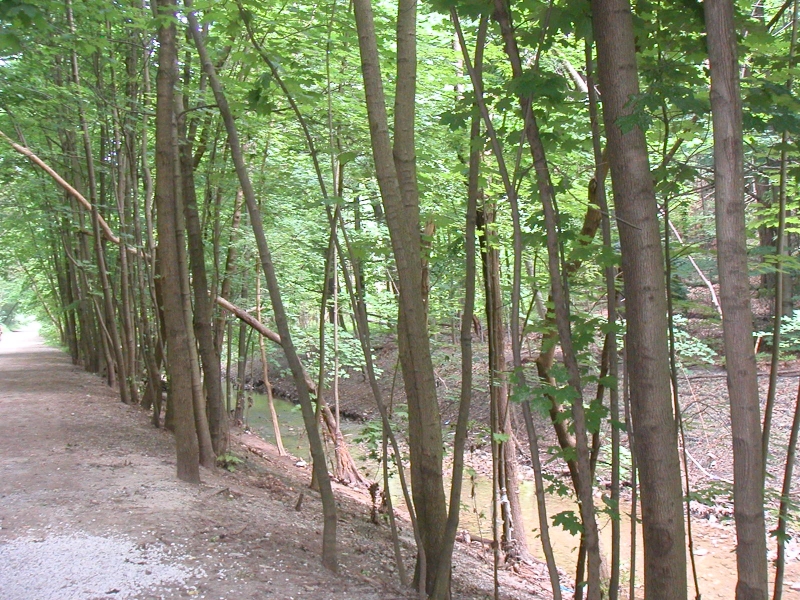
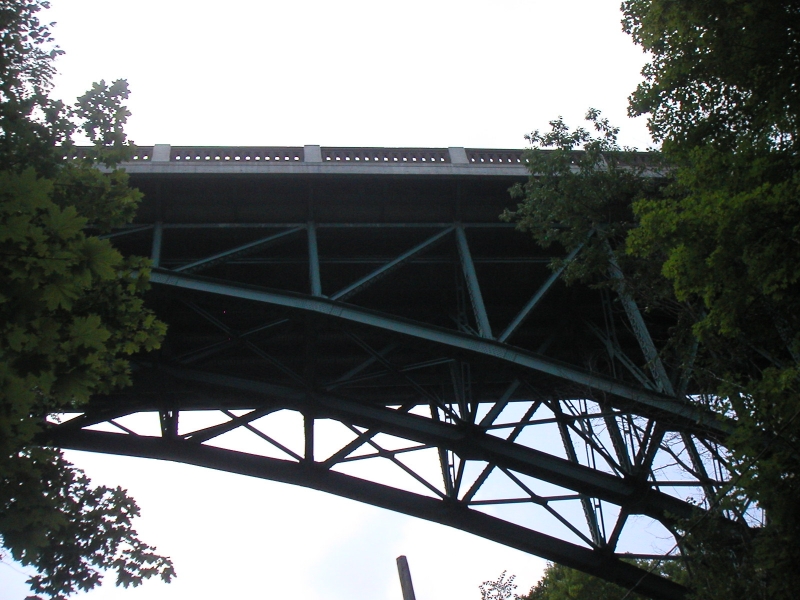
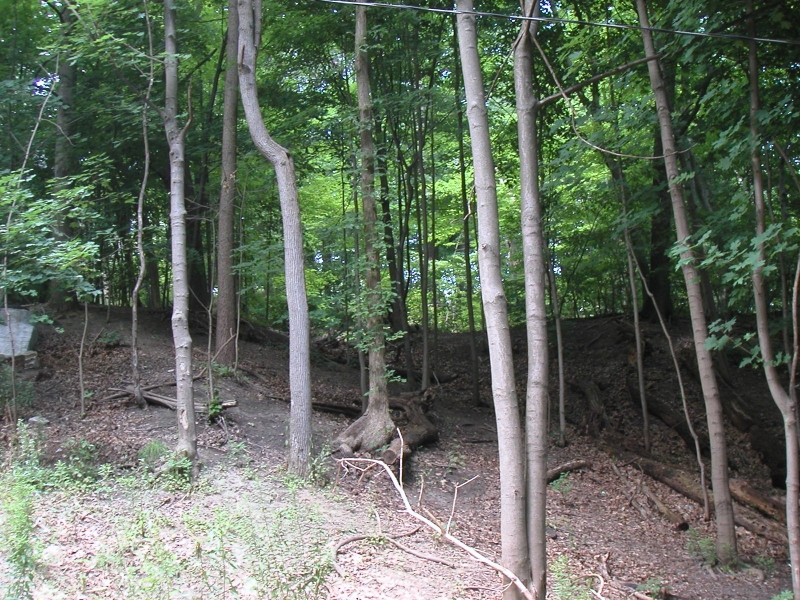
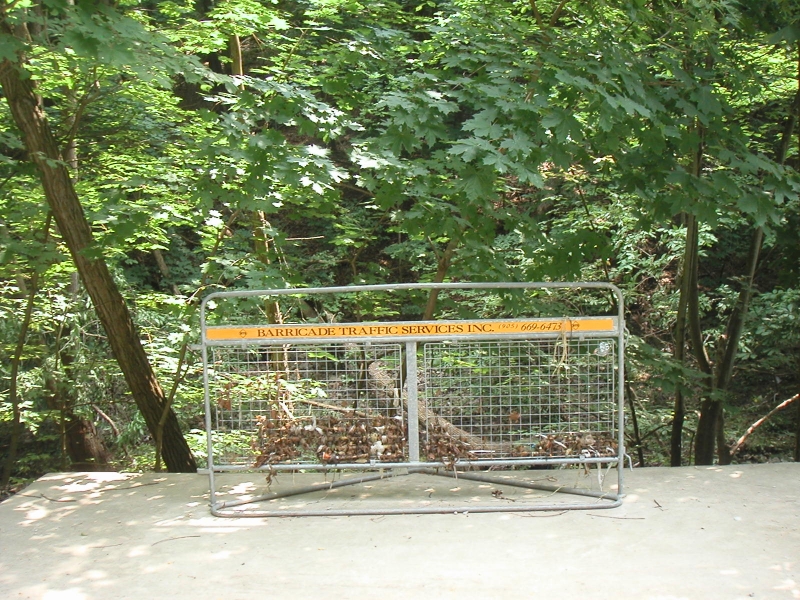
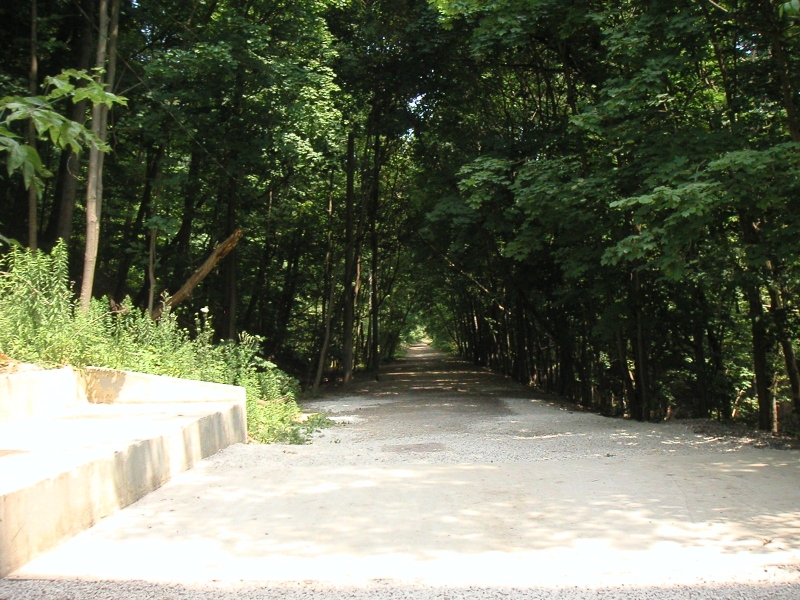
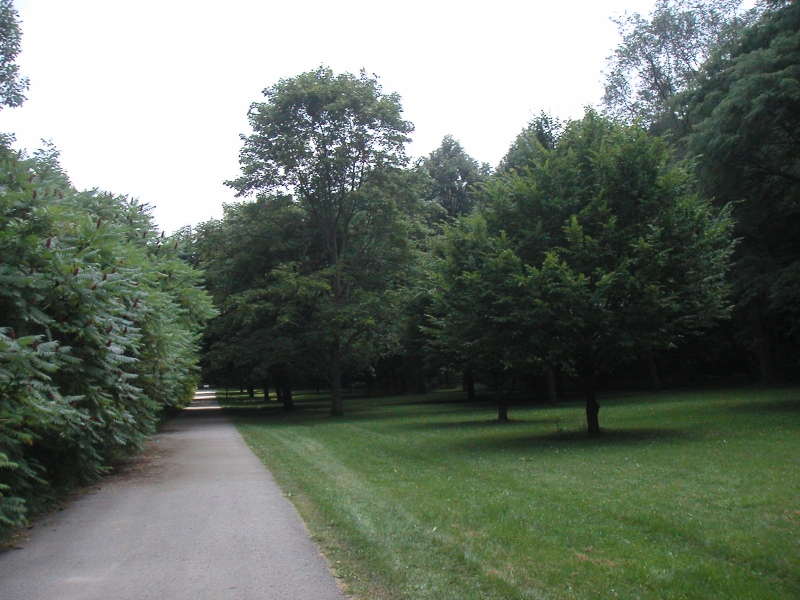
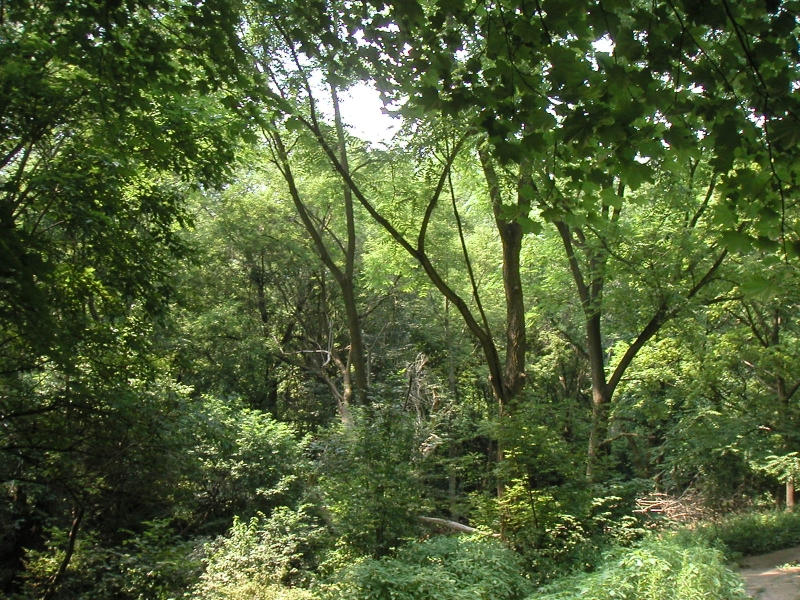
It was over 90 degrees in July, and with the humidity, that temperature had the effect of 104 degrees, but starting at 2 PM, I hiked from Yonge and St. Clair to the waterfront and then on to Cherry Beach and the Leslie Spit in Toronto, Ontario, Canada. Then I hiked back to where I started on Yonge Street and St. Clair Avenue. (Yonge is the longest municipal street in Canada.) Click on the photos:

Also see:

Flat Feet and Arch Supports

Maybe you visited your doctor after taking up running, and the doctor told you that your feet hurt because your arches fell. In other words, you have flat feet. Well the chances are that it’s your shoes, not your flat arches, that are causing the pain. The arch supports hurt your feet: You do not want humongous arch supports. You want shoes that are built with very mild (low) arch supports.

Both New Balance and Vasque make athletic shoes that fit flat feet and wide feet. Vasque even says that their Perpetuum last is “comfortable for people with flatter feet.”

So don’t quit running, walking, and hiking. Just buy the right shoes!

Hiking and Trail Etiquette

If you join a hiking group you will, of course, meet people from a variety of places and backgrounds. And you will usually meet them early in the morning and then carpool to the trailhead, which is fine when your fellow passengers are courteous enough to refrain from riding along when they have bad colds or bacterial bronchitis. The morning doesn’t seem quite right when the stranger in the backseat shakes your hand, coughs repeatedly, talks about the antibiotics he’s taking and about how his live-in girlfriend died last month after a very prolonged illness that required multiple hospitalizations, how he is looking for a job because he has spent his savings after buying a 2700-square-foot foreclosed home and because his dead girlfriend’s social security checks have stopped coming.

Then later, on the trail, when he keeps sliding on loose rock (you don’t want walk below him), you see that the soles on his 20-year-old hiking boots are worn smooth — there’s no tread.

Quit Sit-on-your-bottom Activities

Quit spending money sitting down. Everybody wants your dollars and cents, and they want you to spend it in a chair–at concerts, movies, restaurants, ballets, musicals, coffee shops, meditation groups . . .

Stay on your feet. Go for a walk or a hike. Lift weights while you watch the news. Find a good deal at a gym (the best deals usually appear when a gym first opens for business and offers a contract that stipulates that they can only raise your fees by, lets say, 1 percent every 3 years).

Hiking and Backpacking Gear

As I have said numerous times, I take supplements (see the disclaimers and warnings listed at the bottom of Spinach, Greens, and Eye Health). Rather than listing the supplements in my posts, I have listed them in the sidebar on the far right. I do not expect you to buy these items, but the Amazon links do provide handy summaries, price comparisons, and reviews.

I have also mentioned that walking, running, and hiking are very good for the health (including respiratory, cardiac, and digestive health), so in this post I am going to list some of the gear I use on hikes. I am listing the Amazon links. You can follow the links to detailed descriptions, prices, and reviews. I own all of the following gear:



Julbo Race Sunglasses (w/ Zebra Photochromic Lenses)

Osprey Talon 44 Mountaineering Backpack (for overnight and multi-day hikes)

Osprey Stratos 24 Pack (for extra-long day hikes to remote wilderness areas where I need to bring along extra survival and emergency gear)

Deuter Packs AC Lite 16 Backpack (for day hikes of average length)

Mountainsmith Tour Lumbar Pack (for easy day hikes)

Men’s Merrell Phaser Peak Waterproof Boots (for rugged hikes)

Men’s Danner Expedition GORE-TEX Boots (for exceptionally rugged hikes)

Continue reading

More About Running and Aerobics

You should try to run at 7 miles per hour for 20 minutes–it gets your heart rate up and provides both cardiovascular and respiratory benefits. I run at the gym on treadmills. The treadmills are equipped with shock absorbers and are generally easier on my joints. You can vary the treadmill speed and slant (elevation) in order to minimize the chance of injury due to repeated motion.

If your joints are not up to running, get on the recumbent bike for a half hour or use the elliptical machine. The recumbent bike is the one where your legs are positioned further out in front of you.

You can also exercise in a swimming pool. The buoyancy takes the weight and wear and tear off your joints. (But I don’t like the chlorine.)

I run 3 times a week and walk for 30 minutes to an hour 3 or 4 times a week, that is, I get some form of aerobic exercise 6 or 7 days a week. And I take calcium (and viatamin D) for my bones and a glucosamine-chondroitin-boron complex for my joints.