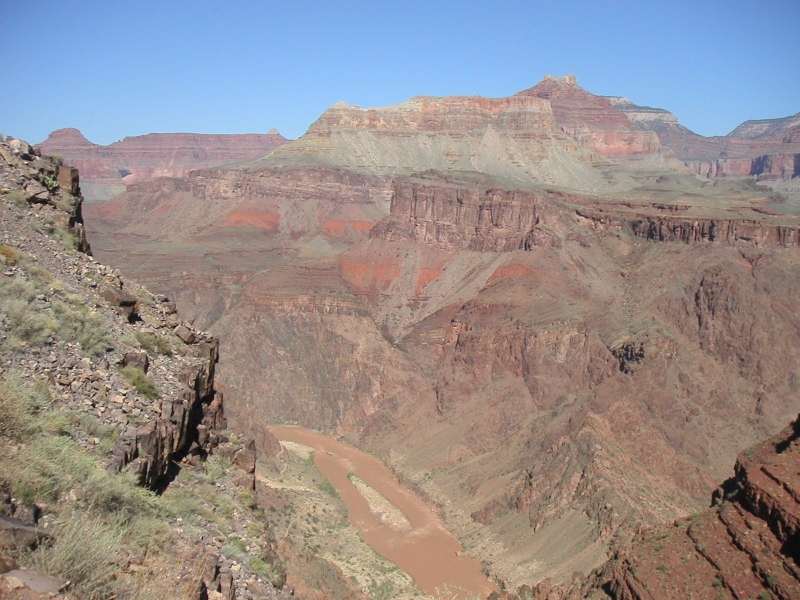
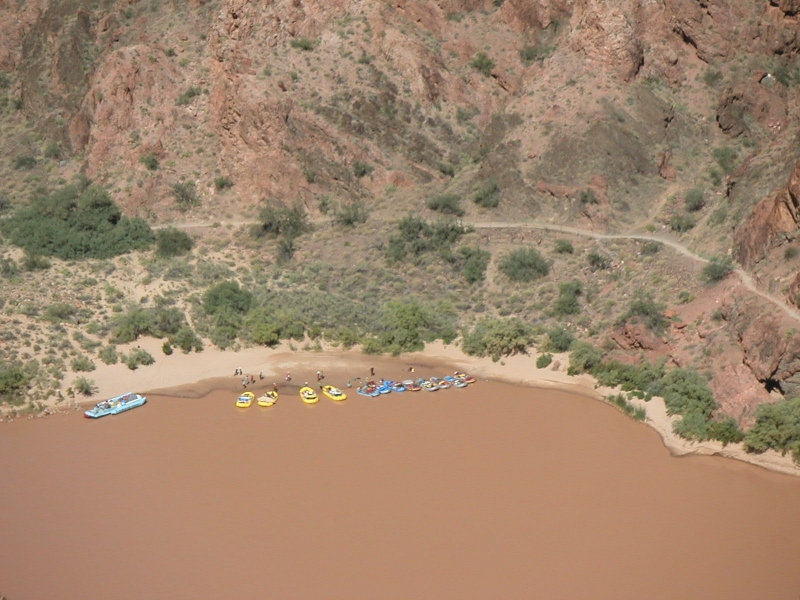
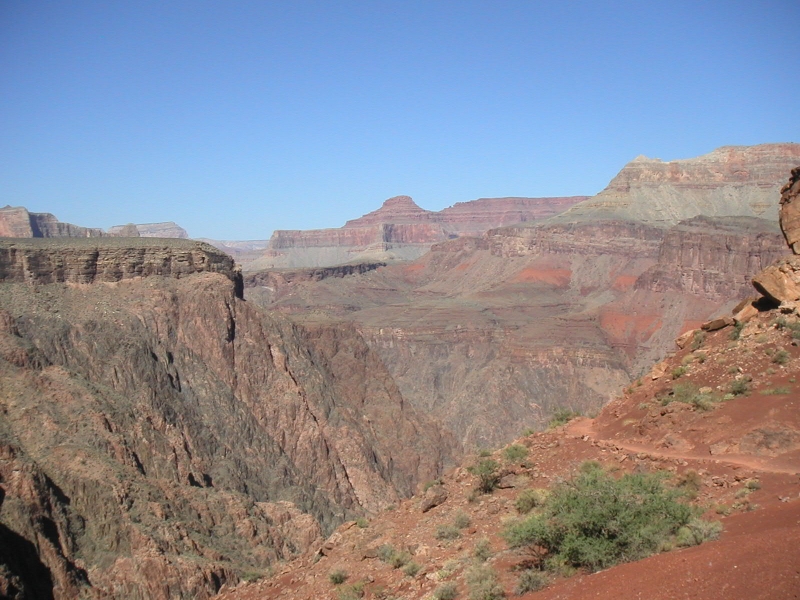
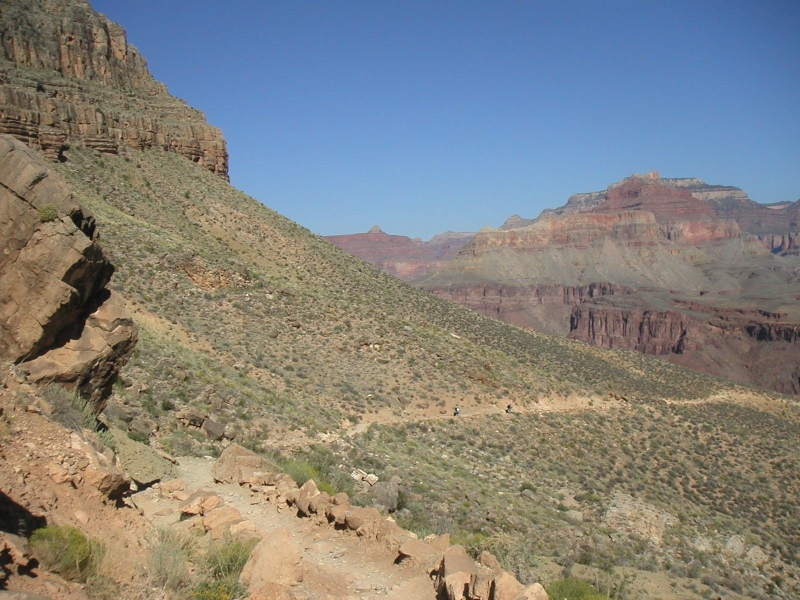
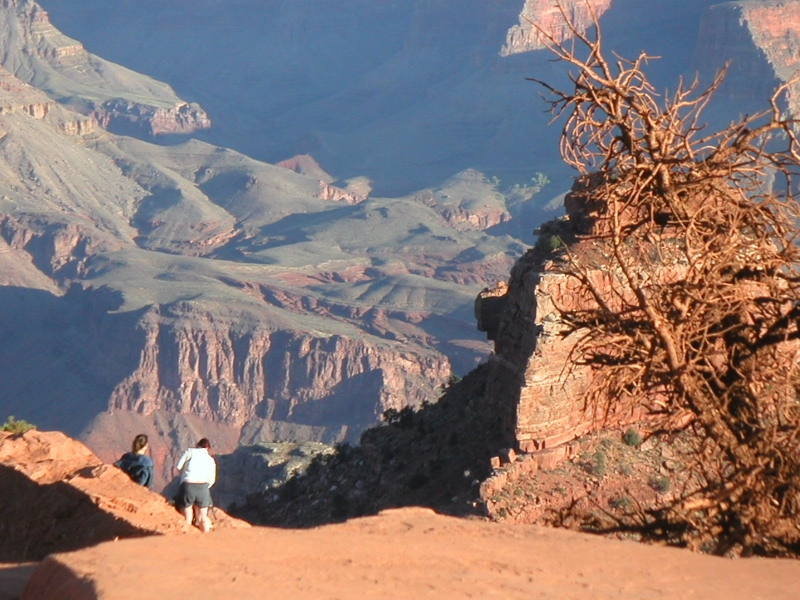
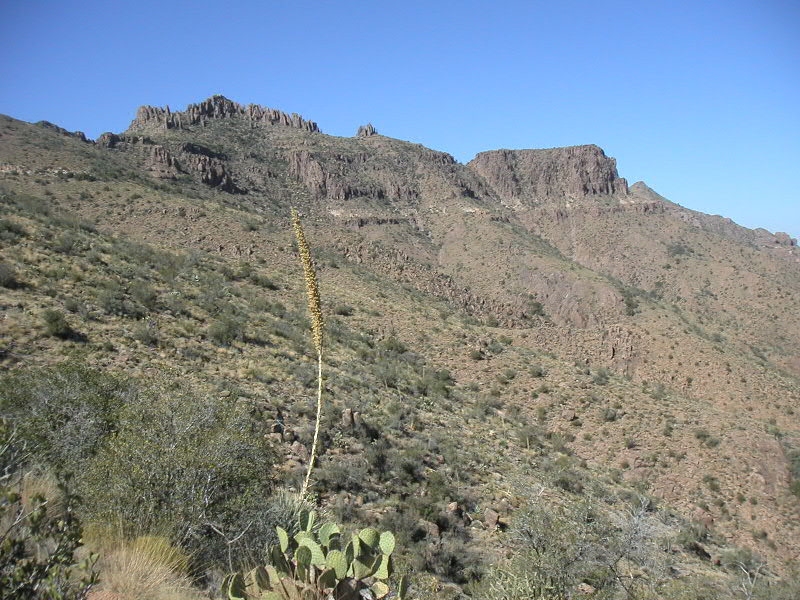
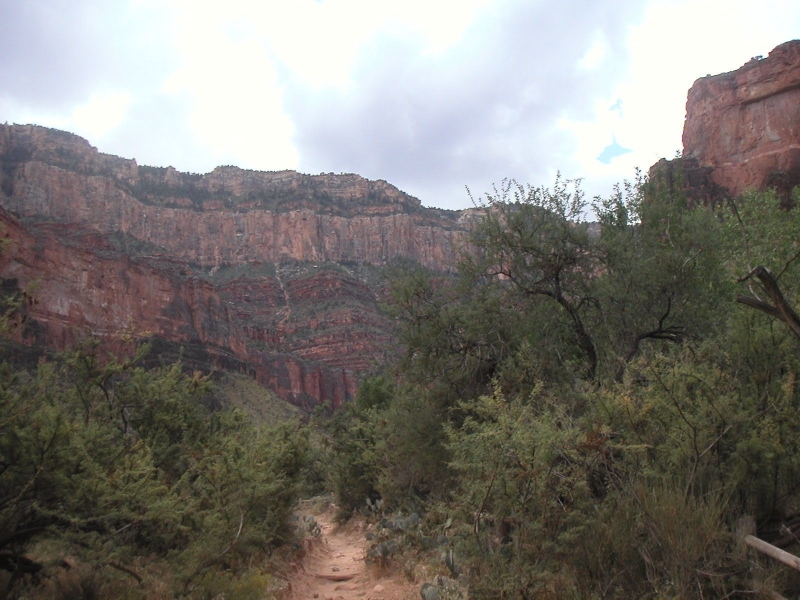
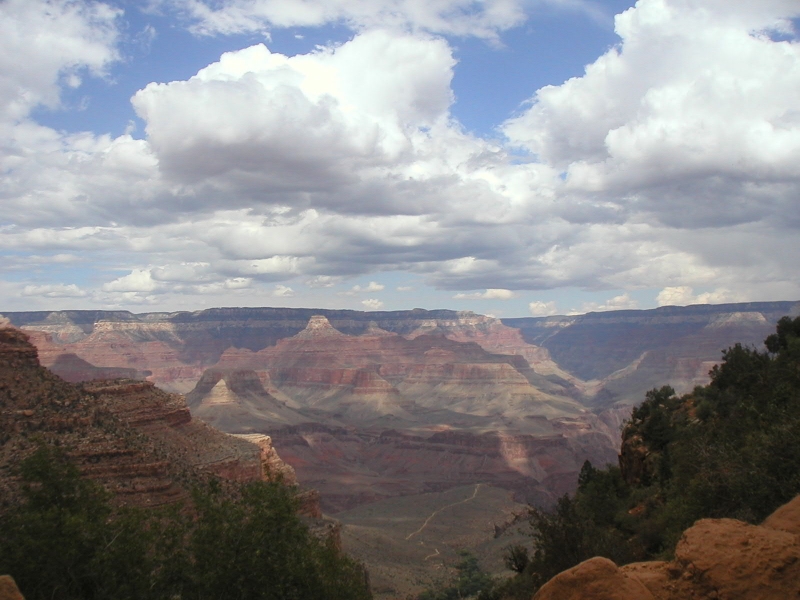
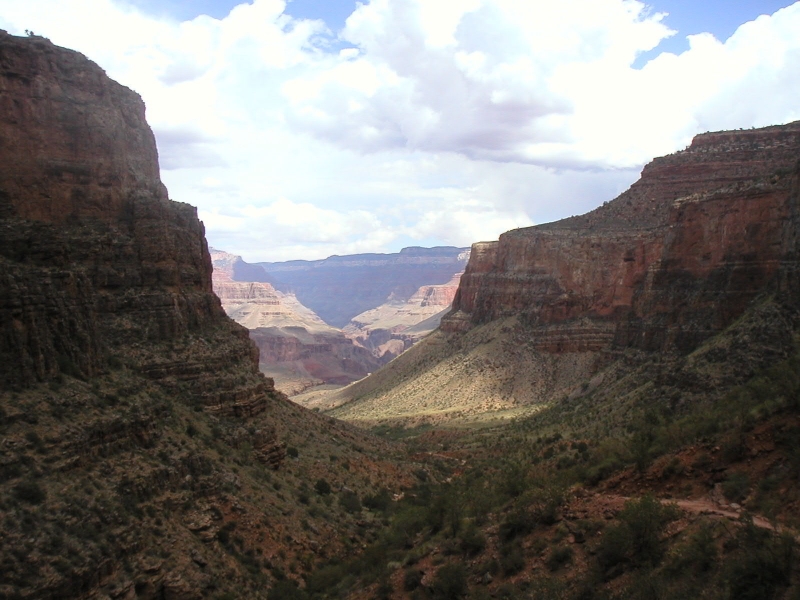
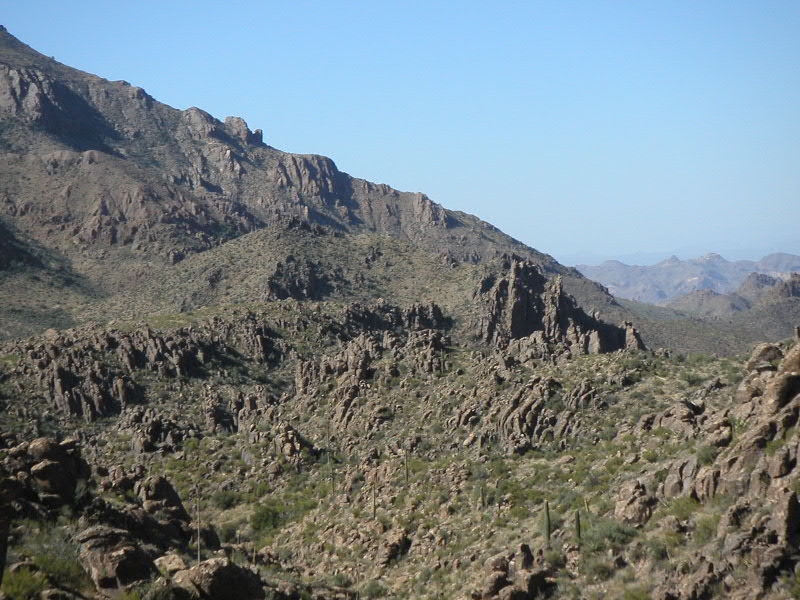
The training and nutritive techniques are virtually identical — endurance athletes minimize weight, eat high-calorie, easily digestible carbohydrate gels and fluid proteins, hydrate often, and take electrolytes — but if you compare the numbers (if you can find the numbers), you’ll find that marathoners and long-distance runners outnumber endurance hikers. While an average marathoner might finish a 42.195 kilometer run in about 5 hours, an endurance hiker will often take 11 hours to complete the same distance on rough wilderness trails. Recent mothers, fathers, and young professionals often find that the travel times to worthwhile hiking trails (plus the hiking times) are prohibitive.
Now heavy drinkers experience dehydration at the very beginning of the day and should probably stay home, but for those of us who get to the trail-head early on Saturday morning, there are a few tricks to making 40+ kilometer hikes.
First, if you are diabetic or have allergies to nuts or soy, you will probably want to stay away from most of the products mentioned below. Always read the cautions and the ingredients posted on the product websites and on the product packaging. If you do decide to try these energy supplements, buy them in small quantities and try them at home before taking them with you on a hike.
Beware of allergic and other physical/emotional reactions to vitamins and sports products. If you have kidney problems, then don’t eat too much protein. And when you do eat protein, make sure you have plenty of water, since your body uses water to digest protein. If you eat protein (or take amino acid supplements) without adequate water intake, you will dehydrate and cramp.
But don’t skip the protein. When you exercise for more than 2 hours, your body starts to cannibalize it’s own muscle. That’s why you need to eat protein during long hikes. I usually mix protein powder with eLoad Heat Endurance Formula in two BPA-free Nalgene bottles. Each bottle contains 20+ grams of protein plus a scoop of eLoad. I don’t add water until I’m ready to start sipping the mixture. If you do not want to mix your own, Hammer Nutrition makes a good lightweight protein endurance product called Perpetuem.
I can’t stress it enough: don’t bring bulky food. Eat compact high-energy gels, Sharkies, Shot Blocs, energy bars, and protein powders. (I usually have an Active Greens Organic Food Bar for lunch. It contains protein, vegetables, fruit, and nut butter.) And eat often, perhaps every two hours during long-distance events. You have to keep your carbs up. Don’t diet during 40 kilometer hikes!
Carry 3 to 3 1/2 liters of water (and maybe 4 to 5 liters during a heat wave), and keep some extra water in the car for after the hike. Add electrolytes to your water. Like I said before, I use eLoad Heat Endurance Formula. It contains a variety of minerals, plus the carbohydrates you need to keep going. And if you use high-calorie gels, accompany each one with at least 150 ml of water (or about a third of a 500 ml bottle) so that it doesn’t make you feel sick.
Then within 15 minutes of completing your hike, eat about 20 grams of protein, since that timing has been shown to build muscle. Yes, you want to build muscle in your legs. I usually eat a Cliff Builders Protein Bar beside my car before I change into dry shoes.